
In summary:
- Vaccines are crucial for creating a « protective cocoon » around your baby, even if you don’t travel.
- Use a simple sugar water solution (Sweet-Ease) one to two minutes before injections to significantly reduce pain.
- Never give fever medication like Tylenol *before* shots; wait to see if a fever develops and always dose based on current weight.
- A low-grade fever is a positive sign of a healthy immune response, not just a side effect.
- Use a clear « traffic light » system to decide if you need to reschedule an appointment due to illness.
The two-month checkup is a major milestone, but it often comes with a wave of parental anxiety. Watching your tiny baby get their first significant round of vaccinations can be emotionally taxing. You worry about the pinch of the needle, the inevitable tears, and the potential for a feverish, fussy baby afterward. Many parents scour the internet for tips, finding a sea of conflicting advice that only heightenos their concern. You hear about giving Tylenol beforehand, using special comforting techniques, and wonder what’s actually effective and, more importantly, safe.
As a pediatric nurse practitioner, I’ve guided countless parents through this exact moment. The key isn’t just to have a list of tricks, but to have a plan—a set of practical, evidence-based protocols that empower you to act confidently. The goal is to shift from a place of reactive worry to proactive care. Instead of simply treating side effects, what if you could anticipate and manage them with the same frameworks we use in a clinical setting? This isn’t about eliminating every tear, but about minimizing distress and knowing exactly what to do at each step.
This guide will walk you through those protocols. We’ll move beyond the generic advice to give you a clear, step-by-step approach for preparing for the appointment, managing pain during the injections, and confidently handling any fussiness or fever that follows. You’ll learn the « why » behind each recommendation, transforming anxiety into capable, informed confidence.
To help you navigate this important topic, this article is structured to answer your most pressing questions in a logical order. From understanding the necessity of vaccines to mastering post-shot comfort measures, here is a clear roadmap for your baby’s two-month appointment.
Table of Contents: A Practical Guide to Your Baby’s First Vaccinations
- Why Your Baby Needs Vaccines Even If You Don’t Travel Abroad?
- How to Use « Sweet-Ease » Techniques to Reduce Pain During Injections?
- Combined Shots or Individual: Which Is Less Stressful for the Infant?
- The Tylenol Dosing Mistake Parents Make With Infants Under 6 Months
- When to Reschedule Shots: Is a Runny Nose a Valid Reason to Cancel?
- How to Soothe a Fussy Baby After 4-Month Shots?
- Why a Low-Grade Fever Is Good for Fighting Infection in Babies Over 3 Months?
- Pediatric Checkups Schedule: What Questions to Ask Your Doctor at the 2-Month Milestone?
Why Your Baby Needs Vaccines Even If You Don’t Travel Abroad?
A common question I hear from new parents is, « If we aren’t traveling and my baby is only around family, are all these vaccines really necessary right now? » It’s a valid thought, but it overlooks a critical concept in public health: community immunity and the « cocooning » strategy. Your baby doesn’t need to travel to be exposed to serious diseases. The germs that cause illnesses like whooping cough (pertussis), the flu, and measles can be carried by seemingly healthy adults and older children who may not even know they’re contagious.
The reality is that infants are most vulnerable in their own homes, surrounded by the people who love them most. In fact, research demonstrates that between 35% and 68% of infants infected with pertussis contract it from a close family contact, often a parent or grandparent. This is why vaccination isn’t just about protecting the individual; it’s about creating a protective bubble around those too young to be fully immunized. Each vaccinated person in a baby’s life—parents, siblings, caregivers, and relatives—acts as a barrier, reducing the chance that a dangerous germ can reach the infant.
This strategy, known as « cocooning, » has proven highly effective in protecting newborns. It treats the family and close contacts as the first line of defense.
Case Study: The California « Cocooning » Success
During the major California pertussis (whooping cough) epidemic in 2010, a hospital-based program focused on this very strategy. The goal was to ensure all close household members of a newborn received the Tdap booster shot before the baby was even discharged from the hospital. The program was a resounding success, achieving full household immunization in the majority of families. This created a complete protective bubble around the most vulnerable infants, a powerful real-world example of how community vaccination directly protects those who cannot yet protect themselves.
So, while it may feel like your baby is isolated from the world’s dangers, their two-month vaccines are a crucial first step in building their own protection. At the same time, ensuring everyone around them is up-to-date on their shots creates a strong, invisible shield that keeps preventable diseases at bay.
How to Use « Sweet-Ease » Techniques to Reduce Pain During Injections?
One of the hardest parts of vaccination day for any parent is witnessing their baby’s pain. That brief, sharp cry can feel heartbreaking. Fortunately, a simple, safe, and highly effective method used in hospitals can dramatically reduce injection pain: a small amount of sugar water, often called « Sweet-Ease. » This isn’t just an old wives’ tale; it’s an evidence-based practice grounded in science. The sweet taste triggers the release of natural pain-relieving chemicals (opioids) in the brain, creating a short-term analgesic effect.
A systematic review of clinical studies shows that acute distress was significantly lower for infants who received a sucrose solution before a painful procedure. This simple intervention can make the experience less traumatic for both you and your baby. The key is in the timing and preparation. You don’t need a special product; you can make it yourself just before the appointment.
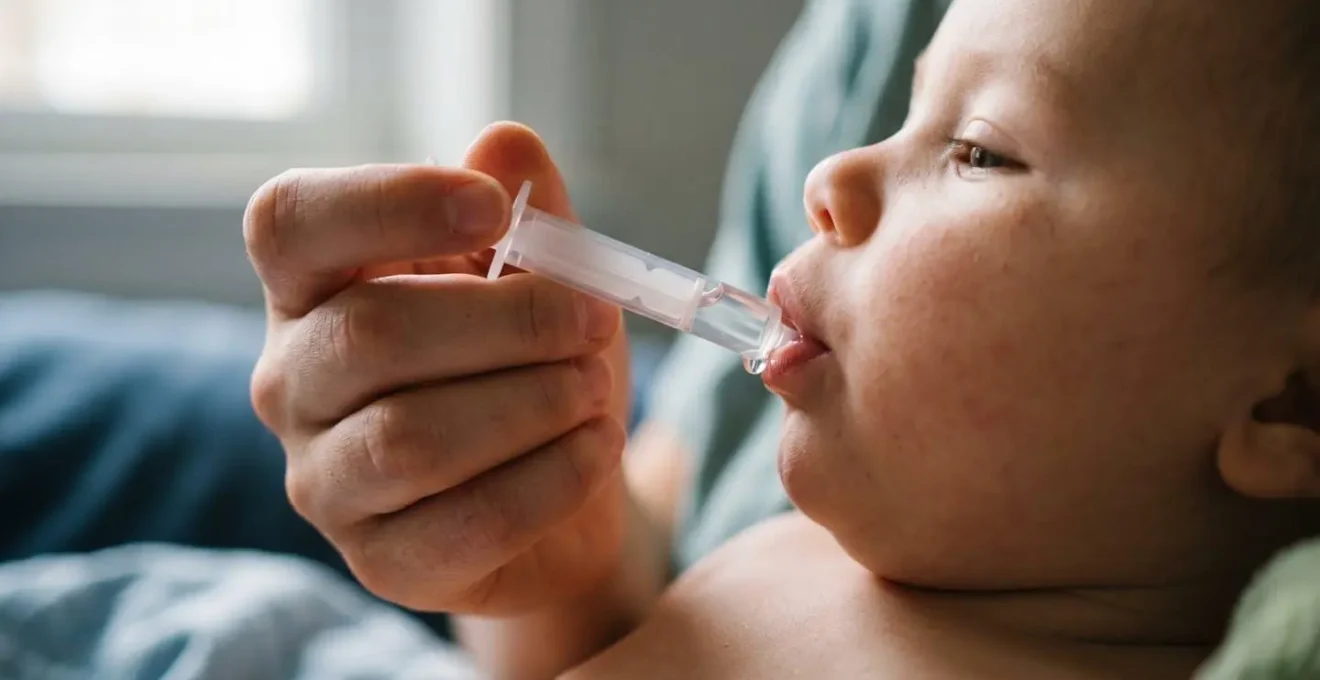
As you can see, administering the solution is a gentle process. Here is the precise protocol to follow for maximum effectiveness:
- Prepare the Solution: Mix one standard packet of table sugar (which is about 2.5-4 grams) with two teaspoons (10 mL) of warm, previously boiled water. Stir until the sugar is fully dissolved. You will only need about 2 mL of this solution.
- Timing is Everything: Using a small oral syringe or dropper, give the 2 mL of the solution to your baby one to two minutes before the injections are given. Squirt it into the inside of their cheek, a little at a time, to allow them to swallow.
- Allow Sucking: The analgesic effect is enhanced by sucking. If your baby uses a pacifier, let them suck on it after receiving the solution. Breastfeeding during the shot is also a powerful pain reliever.
- Benefit Window: The pain-relieving effect peaks within two minutes and lasts for about ten minutes, providing excellent coverage for the vaccination process.
- Discard Leftovers: Any unused portion of the sugar water should be discarded immediately after use.
Combining this technique with other comfort measures like holding your baby securely, skin-to-skin contact, and breastfeeding can create a multi-layered approach to pain management that makes a real difference.
Combined Shots or Individual: Which Is Less Stressful for the Infant?
At the two-month visit, your baby is scheduled for several vaccines, often including DTaP, Hib, Polio, PCV13, and Rotavirus. This can mean multiple injections in one visit, a prospect that understandably worries parents. A common question arises: « Isn’t it better to spread them out to reduce the stress on my baby’s system? » While this line of thinking is well-intentioned, the scientific and clinical evidence points in the other direction. For the infant, combination vaccines or receiving multiple injections in one visit is actually less stressful than spreading them out over several appointments.
The primary reason is that a baby’s perception of pain and stress isn’t cumulative in the way an adult might think. They experience the distress of one shot, or two, or three, as a single, unpleasant event. Dragging this out over multiple visits means subjecting them to that same stressful event repeatedly. Clinical studies demonstrate that a child’s total crying time decreased by 0.4 to 1.0 minute for every shot eliminated from a visit. Fewer pokes at one time means less overall crying and distress.
Furthermore, delaying vaccines to spread them out leaves your baby vulnerable to preventable diseases for a longer period. The immunization schedule is carefully designed by experts to provide protection as early as possible, when infants are most at risk for severe complications. Delaying a vaccine by a few weeks or a month might seem minor, but it’s a window of unnecessary risk. Unfortunately, concern over multiple shots is a significant factor in vaccine delay; research shows that nearly 34% of parents with under-vaccinated children cited the refusal of « too many shots at once » as a reason.
From a practical nursing perspective, we are trained to administer multiple injections quickly and efficiently, often with two nurses giving shots simultaneously in each thigh to make the event as brief as possible. This minimizes the time the infant is in distress. The stress of the car ride, the new environment of the clinic, and being held down for the procedure happens whether they get one shot or three. Consolidating them into a single visit is the most compassionate and safest approach.
The Tylenol Dosing Mistake Parents Make With Infants Under 6 Months
One of the most common pieces of advice passed between parents is to give a dose of Tylenol (acetaminophen) before vaccination shots to prevent fever and pain. However, this is one of the most critical mistakes a parent can make. You should NOT give your baby acetaminophen or any other fever reducer *before* the appointment. There are two primary reasons for this firm rule. First, some research suggests that pre-treating with acetaminophen might slightly reduce the immune system’s response to the vaccine. While the effect is likely small, the goal is to get the most robust protection possible, so we avoid anything that could interfere.
Second, and more importantly, you don’t yet know if your baby will even develop a fever. Many babies experience no fever at all. Medicating preventatively exposes your baby to medicine unnecessarily. The correct approach is a « wait and see » one. You only treat a fever if it appears and if your baby is uncomfortable.
When you do need to give acetaminophen for a post-vaccine fever, dosing accuracy is paramount. Dosing for infants under six months is always based on weight, not age. The concentration of « Infant » Tylenol is different from « Children’s » Tylenol, and using the wrong one or the wrong dosing device can lead to dangerous errors. Always use the syringe that comes with the specific product you are using. Before you leave your two-month appointment, it is essential to ask the nurse or doctor, « What is the correct dose of infant acetaminophen for my baby’s exact weight today? » and write it down.
Your Dosing Safety Checklist for Infant Acetaminophen
- Wait to Medicate: Do NOT give fever medicine before vaccination. Wait to see if a significant fever and discomfort develop first.
- Confirm Current Weight: Get your baby’s exact weight from the healthcare provider during the visit, as this determines the safe dose.
- Verify Concentration: Ensure you are using the ‘Infant’ concentration of acetaminophen, not the ‘Children’s’ version. They are not interchangeable.
- Use the Right Tool: ONLY use the dosing syringe that was packaged with the infant acetaminophen product to ensure accurate measurement.
- Track Every Dose: Record the exact time you give each dose to prevent accidentally giving another dose too soon (wait at least 4-6 hours).
Remember, the goal is to treat your baby’s discomfort, not just the number on the thermometer. A baby with a low-grade fever who is sleeping and feeding comfortably does not need medication. However, if they have a fever higher than 102°F (39°C) or seem miserable, a correctly dosed medication is appropriate.
When to Reschedule Shots: Is a Runny Nose a Valid Reason to Cancel?
It’s the morning of your baby’s two-month appointment, and you hear a sniffle. Or maybe they feel a little warm. The immediate question is: « Should we cancel? » It’s a common dilemma, as parents worry that vaccinating a slightly sick baby might be unsafe or overwhelming for their system. The general rule of thumb is that a mild illness without a significant fever is NOT a reason to reschedule vaccinations. A simple clear runny nose, a small cough, or a bit of fussiness from teething are all considered « green lights » to proceed.
The immune system is more than capable of handling a minor cold and responding to a vaccine simultaneously. The primary reason to reschedule is for a moderate to severe illness, especially one with a fever. This is not because the vaccine would be unsafe, but to avoid confusion. If a baby with a 101°F fever gets vaccinated and their fever later spikes to 103°F, it becomes impossible to know if the worsening symptom is due to the original illness or a reaction to the vaccine. This complicates diagnosis and can lead to unnecessary medical evaluations. To help parents make a confident decision, I recommend using a simple « Traffic Light System. »
The following framework, adapted from CDC guidelines, provides a clear decision-making tool. Before your appointment, assess your baby’s symptoms and see which category they fall into.
| Signal | Symptoms | Action |
|---|---|---|
| GREEN (Go Ahead) | Clear runny nose, mild cough, no fever, baby eating and sleeping normally | Proceed with vaccination as scheduled. Mild cold symptoms do not interfere with vaccine effectiveness. |
| YELLOW (Call to Check) | Low-grade fever (under 100.4°F), unusual crankiness, slightly reduced appetite, mild lethargy | Call the pediatrician’s office before the appointment to discuss. May still vaccinate depending on overall wellness. |
| RED (Reschedule) | Moderate-to-high fever (100.4°F or higher), lethargy, respiratory distress, significantly reduced fluid intake, severe illness symptoms | Reschedule vaccination appointment. Goal is to avoid confusion between vaccine side effects and worsening illness symptoms. |
When in doubt, the « Yellow Light » action is always the best policy. A quick call to the nurse’s line at your pediatrician’s office can provide clarity and save you an unnecessary trip. They can ask targeted questions about your baby’s behavior, feeding, and energy levels to give you a definitive recommendation.
How to Soothe a Fussy Baby After 4-Month Shots?
Even with the best preparation, it’s common for a baby to be fussy, sore, and generally out of sorts in the 24 to 48 hours following their vaccinations. While this article focuses on the two-month milestone, the soothing techniques are universal and just as effective for the four-month shots and beyond. Your goal is to provide comfort, distraction, and relief. This isn’t about having one magic trick, but about having a « comfort protocol » of different strategies you can cycle through.
First, address the most common source of discomfort: a sore injection site. The baby’s thigh muscle may be tender, red, or slightly swollen. Gentle motion is your friend here. Moving their legs in a gentle bicycling motion or giving them a warm (not hot) bath can increase blood flow and ease stiffness. You can also apply a warm, wet washcloth to the area for 10 minutes at a time. After the first 24 hours, gentle massage of the muscle can also help dissipate the local inflammation.
Beyond local soreness, general fussiness is a sign of an active immune system at work. This is where you deploy your arsenal of soothing techniques. Every baby is different, so what works in one moment may not work in the next. The key is to have a toolbox of options:
- Skin-to-Skin Contact: This is one of the most powerful tools in your kit. Undress your baby down to their diaper and hold them against your bare chest. This helps regulate their temperature, heart rate, and breathing, while releasing calming hormones in both you and the baby.
- Movement: Gentle, rhythmic motion is incredibly soothing. Try swaying, rocking in a chair, or wearing your baby in a sling or carrier while you walk around the house.
- Feeding: Whether you are breastfeeding or bottle-feeding, the act of sucking is naturally calming for an infant. Offer the breast or bottle for comfort, even if it’s not their scheduled feeding time.
- Distraction: For a two- or four-month-old, their world is a sensory playground. Use this to your advantage. A crinkly toy, a soft book with high-contrast patterns (black, white, and red), or simply moving to a different room with a new view can be enough to interrupt a crying spell.
- A Quiet Environment: Sometimes, a fussy baby is an overstimulated baby. Dim the lights, turn off the TV, and create a calm, quiet space to reduce sensory input and help them settle.
Remember that this period of fussiness is temporary, typically lasting only a day or two. Giving your baby extra cuddles, patience, and responsive care is the most important medicine of all.
Why a Low-Grade Fever Is Good for Fighting Infection in Babies Over 3 Months?
For many parents, the word « fever » is a trigger for alarm. But in the context of vaccinations, a low-grade fever is not only normal—it’s a positive sign. It’s tangible evidence that the vaccine is working exactly as intended. Seeing that number rise on the thermometer can be unsettling, but reframing what a fever actually is can transform your anxiety into reassurance. A fever is not the illness; it is the body’s powerful and effective response to fighting an invader, whether it’s a real germ or the components of a vaccine designed to look like one.
When a vaccine is introduced, the immune system recognizes it as foreign and mounts a defense. This process involves releasing chemicals called pyrogens, which signal the brain’s thermostat (the hypothalamus) to raise the body’s temperature. This warmer environment makes it harder for viruses and bacteria to replicate and simultaneously speeds up the production of immune cells, like white blood cells, that are needed to build long-term immunity. In short, a fever helps the immune system work faster and more efficiently.
The Children’s Hospital of Philadelphia’s Vaccine Education Center puts it perfectly, providing a clear and authoritative perspective on this common concern:
Fevers are a normal part of immune responses. A fever after vaccination offers evidence that the child’s immune system is responding to the vaccine, building immunity against the virus or bacteria that the vaccine targets.
– Children’s Hospital of Philadelphia Vaccine Education Center, Vaccine Safety: Fever and Vaccines
It’s also important to have a clear definition of a « low-grade » fever in this context. Most post-vaccination fevers are mild and resolve within 24 to 48 hours. According to pediatric guidelines, most fevers after vaccines fall between 99°F and 102°F (37.2°C-38.9°C). A fever in this range is generally not dangerous for a baby over three months old. The focus should be on your baby’s comfort, not the specific number. If they are comfortable and feeding well, you can simply monitor them. If they seem miserable, then treating their discomfort with a weight-appropriate dose of acetaminophen is the right course of action.
Key Takeaways
- Plan, Don’t Panic: Approach vaccination day with a prepared set of protocols for pain, fever, and comfort, rather than reacting to symptoms as they arise.
- Fever is a Friend: Reframe a low-grade post-vaccine fever as a positive sign of your baby’s immune system building powerful, long-term protection.
- Dosing is Precision Work: Always dose acetaminophen based on your baby’s *current weight* confirmed at the visit, and never pre-medicate before shots.
Pediatric Checkups Schedule: What Questions to Ask Your Doctor at the 2-Month Milestone?
Your two-month pediatric visit is more than just a time for shots; it’s a critical touchpoint to partner with your healthcare provider and build your confidence as a parent. Walking in with a prepared list of questions can transform the appointment from a quick, overwhelming event into a productive and reassuring conversation. You are the expert on your baby, and your observations are invaluable. Your doctor is the expert on pediatric health. The goal is to bridge that expertise.
Instead of general questions, focus on creating a blueprint for action. Frame your questions to get specific, usable advice. Don’t just ask « What side effects are normal? »; ask « What specific side effects should I watch for with *today’s* vaccines, and what symptoms would mean I need to call your office? » This level of specificity empowers you to be a better monitor and caregiver in the days following the visit. Think of your questions in categories: vaccines, comfort, safety, and general development. This ensures you cover all your bases and leave feeling fully equipped.
Here is a question blueprint to help you prepare for your two-month visit. You don’t have to ask every single one, but use it as a guide to formulate the questions most important to you:
- Vaccine & Dosing Safety:
- « What is the exact acetaminophen dose for my baby’s current weight today? »
- « What specific side effects (e.g., redness, swelling size) are expected with these particular shots? »
- Post-Vaccine Comfort & Emergency Signs:
- « Can you help me create a ‘Post-Vaccine Comfort Kit’? What should be in it and when should I use each item? »
- « What are the specific emergency signs (e.g., type of cry, level of lethargy) that should prompt an immediate call to your office or a trip to the ER? »
- Feeding, Sleep & Development:
- « Based on their growth chart, is my baby’s feeding pattern and weight gain on track? »
- « What key developmental milestones, like cooing or head control, should I be looking for between now and the four-month visit? »
- Parental Well-being & Partnership:
- « I’m feeling anxious about all of this. What’s the best way for me to track symptoms so I can give you clear information if I need to call? »
Coming to your appointment prepared not only ensures you get the answers you need but also signals to your provider that you are an engaged and proactive partner in your child’s health. This collaborative approach is the foundation of great pediatric care.
To put all these strategies into practice, the next logical step is to create your personalized « Vaccine Day Plan. » Before the appointment, write down your questions, prepare your sugar water solution, and ensure your post-vaccine comfort kit is ready. This preparation is the key to a calm and confident experience.