
Contrary to the belief that breast milk is just a static form of nutrition, it is a dynamic, live-data surveillance system that manufactures personalized medicine in real time.
- Your baby’s saliva transmits pathogen data to your body with every feeding.
- Your immune system analyzes this data and produces targeted antibodies, which are then delivered back to the baby via your milk.
Recommendation: Understand that every nursing session, especially during illness, is an active immunological event, not just a meal. This perspective is crucial for leveraging its full protective power.
As an immunologist, I find few biological processes more elegant than the interplay between a mother and her nursing infant. Many parents understand that breast milk contains antibodies, but this is a profound understatement. It’s like saying the internet contains « information. » The reality is far more sophisticated and breathtakingly responsive. We often hear that breast milk is beneficial, but we rarely explore the sheer genius of its underlying mechanics. It is not a pre-packaged supplement; it is a live, adaptive system.
The common advice focuses on the general benefits—better immunity, fewer infections—but fails to capture the ‘how’. It misses the central truth: your body isn’t just giving your baby a generic shield; it is actively performing diagnostics on your baby’s specific microbial environment. This process transforms the mother’s mammary glands into a highly specialized, on-demand pharmaceutical lab. Kissing your baby, allowing them to nurse frequently, and even your own diet become critical inputs into this complex manufacturing process.
This article will deconstruct the science behind this living medicine. We will move beyond the platitudes and delve into the specific immunological pathways at play. We will explore how your body receives signals from your sick baby, why colostrum is a unique biological entity, how to handle expressed milk to preserve its living components, and how your actions can either enhance or inadvertently disrupt this incredible system. Prepare to see breastfeeding not as a feeding choice, but as the intricate immunological dialogue that it truly is.
To fully grasp the mechanics of this biological marvel, this guide breaks down the science into distinct, understandable components. From the initial signal to the final protective strategies, you will gain a new appreciation for this dynamic immune system.
Summary: The Immunological Genius of Breast Milk
- Why Kissing Your Baby Helps Your Body Produce Targeted Antibodies?
- How to Warm Breast Milk Without Destroying Live Enzymes?
- Liquid Gold: Why Colostrum Is More Potent Than Antibiotics for Newborns?
- The Medication Mistake That Wastes Precious Antibody-Rich Milk
- How to Eat Probiotic Foods to Enhance the Immune Properties of Milk?
- Why a Low-Grade Fever Is Good for Fighting Infection in Babies Over 3 Months?
- Why Giving a Bottle During Cluster Feeding Can Lower Your Supply?
- Boosting Infant Health: 5 Ways to Strengthen Immunity During Cold and Flu Season
Why Kissing Your Baby Helps Your Body Produce Targeted Antibodies?
The act of kissing your baby is far more than a gesture of affection; it is a critical mechanism of immunological surveillance. When a mother kisses her infant, she samples the pathogens present on the baby’s skin. These microbes are then transported to the mother’s secondary lymphoid organs, like the tonsils. This process, combined with the « backwash » of a baby’s saliva into the nipple during nursing, provides the mother’s immune system with a direct molecular blueprint of the germs currently challenging her baby. This is not a passive transfer; it is active data collection.
Once these pathogens are identified, a remarkable process known as the entero-mammary pathway is initiated. Specialized immune cells (B cells) in the mother’s gut and respiratory tract are activated. These cells travel to the mammary glands, where they begin producing vast quantities of specific antibodies—primarily Secretory Immunoglobulin A (sIgA)—custom-designed to fight the exact pathogens the baby is facing. The response is incredibly swift and potent; research demonstrates that after an infant is exposed to a virus, there can be a 104-fold increase in viral genome levels in the mammary glands within two days, triggering a massive targeted antibody surge in the milk.
This means your breast milk is not a generic antibiotic. It is a targeted, precision-guided missile system, delivering custom-made immunological weapons directly to the site of infection in your baby—the gut and respiratory linings. This is why a breastfed baby can often weather a household illness with milder symptoms or avoid it altogether.
Case Study: The Entero-Mammary Pathway in Action
In a foundational study using a mouse model, researchers experimentally infected mouse pups with an enteric virus. They discovered that the pups transmitted the virus to their mother’s mammary gland while nursing. This « backflow » of pathogens triggered a rapid and highly targeted immune response in the mother. The concentration of specific antibodies in her milk increased significantly, and this response was quicker and more localized than when the mother herself was directly infected. This experiment elegantly demonstrates the efficiency of the entero-mammary pathway in creating a real-time, custom defense system for sick infants.
How to Warm Breast Milk Without Destroying Live Enzymes?
Expressed breast milk is a living fluid, teeming with bioactive components that are highly sensitive to heat. While it may be tempting to warm a bottle quickly, using high temperatures is the immunological equivalent of setting a priceless manuscript on fire. The proteins, enzymes, and live cells in breast milk have specific temperature thresholds, beyond which they begin to denature and lose their function. The goal is to warm the milk to body temperature (around 37°C or 98.6°F), making it palatable for the baby without destroying its precious contents.
The most critical components at risk are the live cells (like leukocytes), digestive enzymes (such as lipase), and the antibodies themselves. Scientific evidence shows that temperatures above 104°F (40°C) begin to degrade these essential elements. Microwaving is particularly destructive, as it creates « hot spots » that can far exceed safe temperatures, effectively sterilizing the milk of its living properties and posing a scalding risk to the infant. The safest methods involve gentle, even warming, such as placing the bottle in a bowl of warm water or using a bottle warmer with a specific « warm water bath » setting.
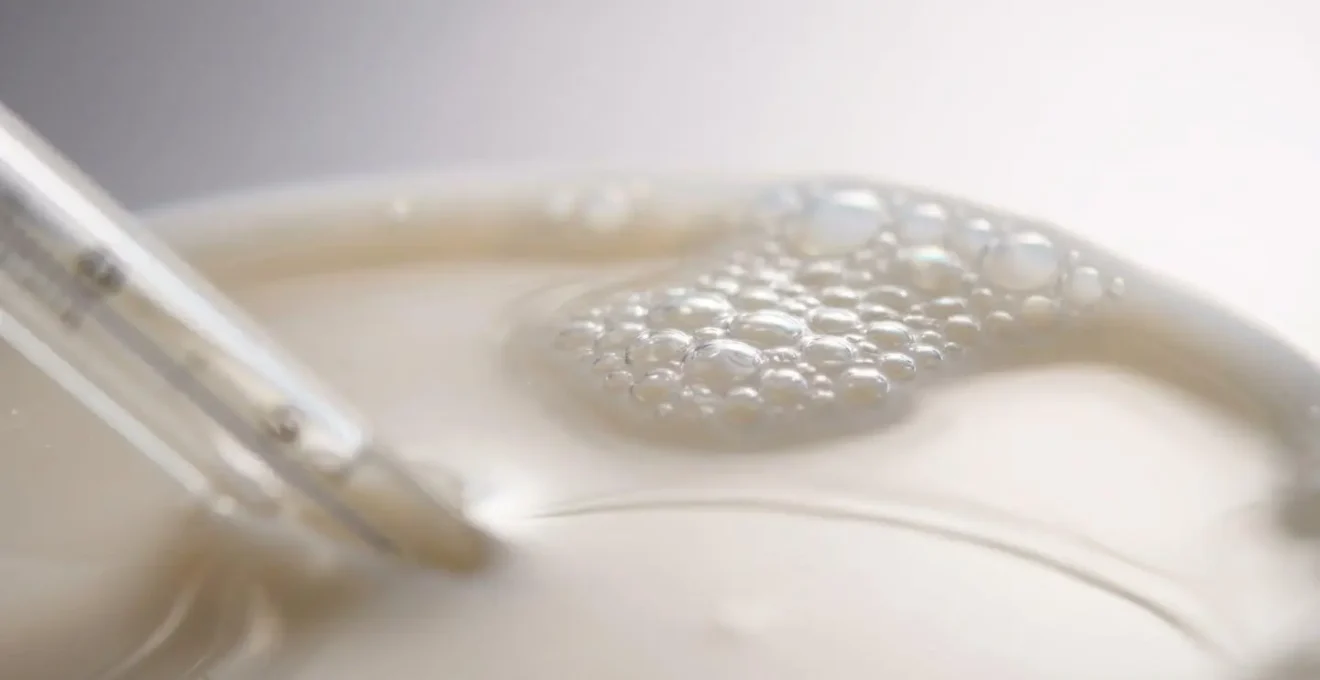
As the image suggests, the preservation of these delicate structures is a matter of precision. The subtle gradients in temperature can mean the difference between a nourishing, immunologically active meal and a simple collection of fats and sugars. The following table breaks down what happens at different temperature points, based on extensive research into milk preservation.
This data, compiled from a comprehensive review of human milk pasteurization studies, provides a clear guide for preserving the milk’s integrity.
| Temperature Range | Impact on Bioactive Components |
|---|---|
| Below 40°C (104°F) | Optimal Range: Preserves live cells, enzymes, and antibodies with minimal degradation. |
| 40-55°C (104-131°F) | Progressive loss of digestive enzyme activity; live white blood cells begin to die. |
| Above 56°C (133°F) | Significant denaturation of antibodies (IgA) begins, especially with prolonged exposure. |
| Above 62.5°C (145°F) | Pasteurization temperature; destroys most live cells and reduces IgA activity by over 20%. |
Liquid Gold: Why Colostrum Is More Potent Than Antibiotics for Newborns?
Colostrum, the first milk produced in the days following birth, is often called « liquid gold, » but this nickname barely does it justice. From an immunological standpoint, it is a substance so concentrated and uniquely designed for the newborn that it functions less like food and more like a broad-spectrum, intelligent therapeutic. While antibiotics are designed to kill bacteria, colostrum operates on a far more sophisticated level. It provides a multi-layered defense that both protects and educates the newborn’s sterile and naive immune system.
The primary weapon in colostrum’s arsenal is Secretory Immunoglobulin A (sIgA). Its concentration is staggering; immunological research shows that sIgA levels can measure up to 12 grams per liter in colostrum, a concentration that drops to about 1 gram per liter in mature milk. This sIgA doesn’t enter the baby’s bloodstream. Instead, it coats the mucosal surfaces of the infant’s gastrointestinal tract, acting as a « paint-on » barrier. This barrier prevents pathogens like bacteria and viruses from adhering to the gut wall and causing infection. It’s a preemptive shield, not a chemical weapon.
Furthermore, colostrum is packed with leukocytes—living white blood cells—that actively seek out and destroy pathogens. It also contains lactoferrin, a protein that binds to iron, making it unavailable to harmful bacteria that need it to multiply. This combination of barrier protection, active pathogen destruction, and resource deprivation is far more strategic than a simple antibiotic. As researchers in the field note, it’s about prevention and education.
Colostrum is a ‘smart shield’ and ‘immune tutor’. It doesn’t just kill; it prevents pathogens from attaching to the gut wall and trains the baby’s own nascent immune system.
– Pediatric Immunology Researchers, Anti-Inflammatory and Anti-Allergic Properties of Colostrum Study
The Medication Mistake That Wastes Precious Antibody-Rich Milk
One of the most persistent and damaging myths in breastfeeding is the automatic « pump and dump » rule. For decades, mothers have been advised to discard their milk for hours or even days after taking medication, from pain relievers to general anesthesia. This advice is not only largely outdated but also counterproductive, as it deprives the baby of nutritionally and immunologically valuable milk and can negatively impact milk supply. While caution is always warranted, the default assumption that most medications render milk unsafe is scientifically unfounded.
The principle of drug transfer into milk is complex, but it depends on factors like the drug’s molecular weight, fat solubility, and protein binding. Many medications transfer in clinically insignificant amounts. In fact, recent clinical updates confirm that most commonly used medications are considered safe during breastfeeding. The fear-based « pump and dump » practice often stems from a lack of specific information rather than a genuine risk. Discarding milk should be the last resort, not the first step.
Instead of automatic disposal, the modern, evidence-based approach is to « test, don’t guess. » Consulting reliable resources and healthcare providers who are up-to-date on lactation pharmacology is essential. For instance, the 2026 Anesthesia and Sedation Guidelines have moved towards a « sleep and keep » recommendation, advising that discarding milk after anesthesia is generally unnecessary. The key is to make an informed decision based on the specific drug, dosage, and timing, rather than adhering to a blanket, fear-driven rule.
Action Plan: How to Safely Check Medications
- Consult the LactMed Database: Maintained by the NIH, this is a comprehensive, evidence-based resource on medications and herbal supplements during lactation.
- Contact the InfantRisk Center: A specialized research group that offers hotline consultations on medication compatibility with breastfeeding.
- Use E-Lactancia: A free online resource (in English and Spanish) that provides clear compatibility ratings for thousands of drugs.
- Speak with Both Doctors: Always discuss a new medication with both your physician and your baby’s pediatrician to get a complete risk-benefit analysis.
- Request Alternatives: Before discontinuing nursing, ask your doctor if there are breastfeeding-compatible alternatives to the prescribed medication.
How to Eat Probiotic Foods to Enhance the Immune Properties of Milk?
The composition of breast milk is not fixed; it is profoundly influenced by the mother’s diet and gut health. A growing body of research reveals that breast milk has its own unique microbiome, and the diversity of this microbiome can be enhanced by the mother’s intake of probiotic and prebiotic foods. This maternal-infant gut connection is another layer of breastfeeding’s immunological brilliance, as it helps to seed the baby’s gut with beneficial bacteria from day one.
Probiotics are live beneficial bacteria found in fermented foods like yogurt, kefir, sauerkraut, and kimchi. Prebiotics are types of fiber that feed these good bacteria, found in foods like garlic, onions, bananas, and whole grains. When a mother consumes these foods, she is not just nourishing herself; she is cultivating a healthier gut microbiome. These beneficial microbes and their byproducts can then be transferred to the baby through the milk, a concept that challenges the old belief that milk is sterile.
Breast milk is not sterile; it has its own unique microbiome that helps seed the baby’s gut. A mother’s diet and probiotic intake can directly influence the diversity and health of this milk microbiome.
– Breast Milk Microbiome Research Team, Fred Hutchinson Cancer Center – Breast Milk IgG Study
Incorporating a variety of these gut-healthy foods can therefore be seen as a direct investment in your baby’s immune foundation. A diverse and robust gut microbiome is linked to a stronger immune system and a lower risk of allergies and inflammatory conditions. By focusing on a diet rich in these natural sources, a mother actively participates in the « immunological tutoring » of her infant’s developing gut.

Why a Low-Grade Fever Is Good for Fighting Infection in Babies Over 3 Months?
For parents, a baby’s fever can be alarming. However, in an infant over three months old (note: fever in a newborn under 3 months always requires immediate medical attention), a low-grade fever is not the enemy. It is a vital and effective tool of the immune system. Fever is an adaptive response that creates a less hospitable environment for viruses and bacteria, which typically thrive at normal body temperature. It is a sign that the immune system is activated and working as intended.
From a physiological perspective, fever acts as an « immune system accelerator. » The increased body temperature speeds up metabolic processes, including the circulation of blood and the production and mobility of immune cells. As noted by pediatric immunology researchers, this acceleration allows defenders like lymphocytes and macrophages to reach the site of infection more quickly and function more efficiently. Suppressing a low-grade fever with medication can, in some cases, be like telling your elite soldiers to stand down just as the battle begins.
Fever is an ‘Immune System Accelerator’. The increased body temperature speeds up metabolic processes, including the production and mobility of immune cells like lymphocytes.
– Pediatric Immunology Research, Clinical Guidelines on Infant Fever Management
For a breastfed baby, this process is even more supported. While the baby’s body is raising its temperature to fight the infection, the mother’s milk provides a continuous supply of targeted antibodies (like IgG) and anti-inflammatory components. Recent research has shown that breast milk IgG during an infant’s illness helps prevent excessive immune activation, effectively modulating the response to be powerful but not damaging. Therefore, when your baby has a low-grade fever and seeks to nurse more, they are not only looking for comfort but are instinctively using the breast as a combination fever-management and antibody-infusion center.
Why Giving a Bottle During Cluster Feeding Can Lower Your Supply?
Cluster feeding—those periods when a baby wants to nurse almost constantly for several hours—is often misinterpreted by parents as a sign that their milk supply is insufficient. In a moment of exhaustion and concern, it can be tempting to « give the baby a break » with a bottle of pumped milk or formula. However, this intervention, while well-intentioned, directly short-circuits a critical biological communication loop that is essential for building and maintaining milk supply.
Breast milk production operates on a finely tuned principle of supply and demand. The amount of milk removed from the breast, and the frequency of that removal, is the primary signal that tells the body how much milk to produce. As lactation physiology research confirms, cluster feeding is the baby’s primary biological tool for sending a powerful « increase production » order to the mother’s brain. The frequent stimulation of the nipple triggers the release of prolactin (the milk-making hormone) and oxytocin (the milk-releasing hormone).
Cluster feeding is the baby’s biological tool to ramp up prolactin and oxytocin signals, telling the body to increase overall milk production. A bottle breaks this communication loop.
– Lactation Physiology Research, Breastfeeding Supply and Demand Mechanisms Study
When a bottle is introduced during these critical periods, the breast does not receive the necessary stimulation. The body interprets this lack of demand as a signal that the current production level is adequate or even too high, and it may fail to ramp up supply to meet the baby’s growing needs or developmental spurts. In essence, giving a bottle during a cluster feed tells the factory to slow down just when the customer is placing a larger order. While challenging, leaning into cluster feeding and allowing the baby to nurse on demand is the most effective way to ensure the body’s production calibrates perfectly to the baby’s needs.
Key Takeaways
- Your body is a real-time diagnostic lab, analyzing your baby’s saliva to create custom antibodies.
- Heat above 40°C (104°F) destroys the living immune cells and enzymes in breast milk; warm it gently.
- The « pump and dump » rule is largely outdated; always consult evidence-based resources before discarding milk.
Boosting Infant Health: 5 Ways to Strengthen Immunity During Cold and Flu Season
Strengthening an infant’s immunity is not about creating a sterile bubble, but about intelligently managing exposures while leveraging the powerful, adaptive protection of breast milk. During cold and flu season, this proactive approach becomes even more critical. It involves supporting both the mother’s immune system—the antibody factory—and the baby’s developing defenses. The strategies are interconnected, forming a holistic shield against common illnesses.
The foundation of this shield is the mother’s own health. A mother with a robust immune system, supported by good nutrition, adequate rest, and stress management, will produce higher quality and quantity of protective components in her milk. When the baby is inevitably exposed to a virus, increasing the frequency of nursing delivers a higher dose of real-time antibodies, acting as a dynamic therapeutic response. It is also a mistake to stop nursing if the mother herself gets sick; her body will be producing the exact antibodies needed to protect the baby from the same illness, delivering them via the milk.
Action Plan: Auditing Your Family’s Immunity Shield
- Immune Inputs: List all probiotic/prebiotic foods and key immune-supportive nutrients (Vitamin C, Zinc) consumed by the mother in the last 3 days. Identify gaps.
- Exposure Points: Inventory all recent points of contact the infant has had with people outside the immediate household. Note any known illnesses.
- Response Protocol: Does your family have a clear plan for when a member gets sick? This includes hand hygiene, isolating if possible, and supporting maternal rest.
- Sanitization Balance: Evaluate your home environment. Is it hyper-sanitized, or does it allow for controlled exposure to normal environmental microbes, which helps train the immune system?
- Nursing Strategy: Review your nursing patterns. Are you responding to early hunger cues and increasing frequency during potential illness exposure, or adhering to a rigid schedule?
Ultimately, boosting infant immunity is a collaborative effort. The partner and family play a vital role by creating an « immunity bubble » around the mother-baby dyad, ensuring she has the resources and rest needed to be an effective antibody factory. The following evidence-based strategies provide a practical framework for this team-based approach to infant health.
Five Evidence-Based Strategies to Boost Infant Immunity
- Prioritize maternal health: Support the breastfeeding mother with adequate vitamin C, zinc, quality sleep, and stress reduction—her robust immune system is the factory for the baby’s antibodies.
- Increase nursing frequency during exposure: When the baby has been exposed to illness, nurse more frequently to deliver a real-time antibody defense as a dynamic immune response.
- Create a family ‘immunity bubble’: Partners contribute by maintaining strict hand hygiene, staying home when sick, and supporting the mother’s rest and hydration for optimal antibody production.
- Allow controlled environmental exposure: A normal home environment helps train the baby’s immune system while breast milk provides a protective safety net—avoid hyper-sanitization.
- Continue breastfeeding during maternal illness: The mother produces specific antibodies to her current infection, which are transferred to the baby through the milk. Stopping nursing removes this targeted protection.
By understanding and applying these immunological principles, you can transform the act of breastfeeding from a simple feeding method into a powerful, proactive strategy for building a resilient and healthy child. The next step is to integrate this knowledge into your daily routines and advocate for your choices with confidence.