
The common advice to simply « eat more iron » and « take your prenatal » is a dangerously simplistic approach to fighting pregnancy fatigue and often fails to deliver real energy.
- True energy restoration lies in nutrient synergy—understanding how nutrients like iron and vitamin C or calcium and its cofactors work together.
- The bioavailability of supplements is critical; the form of a nutrient (e.g., methylfolate vs. folic acid) determines if your body can actually use it.
Recommendation: Use a whole-food diet as your non-negotiable foundation and view a high-quality, bioavailable prenatal vitamin as a targeted insurance policy, not a cure-all.
The fatigue of pregnancy is more than just feeling tired. It can be a bone-deep, relentless exhaustion that makes getting through the day feel like climbing a mountain. You’ve likely been told the standard advice: eat more spinach for iron and never, ever forget your daily prenatal vitamin. While well-intentioned, this advice barely scratches the surface of the complex nutritional demands of creating a new life. It often leaves women feeling defeated when their energy levels don’t improve.
But what if that’s only half the story? What if the true key to unlocking your energy isn’t just about the *amount* of nutrients you consume, but about their *synergy* and *bioavailability*? As a functional nutritionist, I see that the body is an interconnected system. The form of folate in your vitamin, the nutrients you pair with your iron sources, and your hydration strategy are the real levers for managing pregnancy-related fatigue and preventing depletion. Relying on diet alone can be a noble goal, but it’s often an incomplete strategy in the face of modern food systems and the immense needs of pregnancy.
This guide will move beyond the basics. We’ll dissect the science of prenatal nutrition from a functional perspective, providing practical, actionable strategies to manage your energy. We’ll explore why your baby’s needs take priority, how to make smart supplement choices, and how to build a diet that truly nourishes both you and your growing child.
Summary: A Strategic Dietary Approach to Prenatal Energy
- Why Baby Takes Calcium from Your Bones if You Don’t Eat Enough Dairy?
- How to Satisfy Sweet Cravings With Nutrient-Dense Alternatives?
- Whole Food Diet or Prenatal Vitamins: Do You Really Need Both?
- The Listeria Risk in Pre-Cut Fruit That Most Pregnant Women Ignore
- How to Drink 3 Liters of Water Daily Without Feeling Bloated?
- Iron Infusion or Oral Supplements: Which Is Better for Third Trimester Anemia?
- Why Plain Water Might Not Be Enough if You Are Vomiting?
- Iron-Rich Proteins for Pregnancy: Best Plant-Based Sources When Meat Causes Nausea?
Why Baby Takes Calcium from Your Bones if You Don’t Eat Enough Dairy?
During pregnancy, your baby’s skeletal development is a top biological priority. To form bones and teeth, the fetus requires a significant and steady supply of calcium, with demands peaking at around 330 mg per day in the third trimester. Your body has a brilliant, albeit ruthless, system to ensure this happens. If your dietary calcium intake is insufficient to meet these needs, your body will initiate a process called bone resorption. It essentially « mines » the calcium stored in your own bones and teeth to send to the baby via the placenta. This ensures the baby’s development continues on track, but it happens at your expense, increasing your risk for postpartum osteoporosis and dental issues.
While dairy is a well-known source, many women are intolerant, dislike it, or choose to avoid it. Simply forgoing dairy without a replacement strategy is a significant risk. The key is not just to find alternative calcium sources like sardines, tahini, or fortified tofu, but to also ensure you’re consuming the necessary metabolic cofactors. Calcium doesn’t work in a vacuum; it requires other nutrients like Vitamin D, Vitamin K2, and magnesium to be properly absorbed and directed into bone tissue. Without these helpers, even a high-calcium diet can be ineffective, as the mineral may not reach its intended destination. This systems-based approach is crucial for protecting your own long-term health while building a healthy baby.
Action Plan: Your Bone-Building Cofactor Strategy Beyond Dairy
- Prioritize Vitamin K2 sources like natto, gouda cheese, or egg yolks to activate proteins that transport calcium from circulation into bone tissue.
- Ensure adequate Magnesium intake (pumpkin seeds, almonds) to support calcium metabolism and bone matrix formation.
- Pair non-dairy calcium sources (sesame tahini, sardines with bones, fortified tofu) with Vitamin D for optimal absorption.
- Cook oxalate-rich greens (spinach, chard) to reduce anti-nutrient effects that inhibit calcium absorption.
- Maintain consistent intake throughout pregnancy as fetal calcium transfer peaks at 330 mg/day by 35 weeks gestation.
How to Satisfy Sweet Cravings With Nutrient-Dense Alternatives?
Intense cravings for sweets during pregnancy are common, driven by hormonal shifts and the body’s demand for quick energy. However, indulging in sugary, processed snacks can lead to sharp spikes and crashes in blood sugar, exacerbating fatigue and mood swings. The functional nutrition approach isn’t about deprivation or willpower; it’s about a strategic upgrade. The goal is to satisfy the craving while simultaneously delivering vital nutrients and promoting stable energy levels.
A key strategy is the principle of pairing. Never eat a « naked » carb or sugar. By pairing a source of natural sugar with protein and healthy fats, you slow down the absorption of glucose into the bloodstream. This blunts the blood sugar spike and provides sustained energy rather than a fleeting rush. A piece of fruit is good, but a piece of fruit with a handful of nuts or a spoonful of seed butter is exponentially better for energy regulation. This simple shift turns a potential energy drain into a powerful, nutrient-dense snack that supports both your and your baby’s needs.
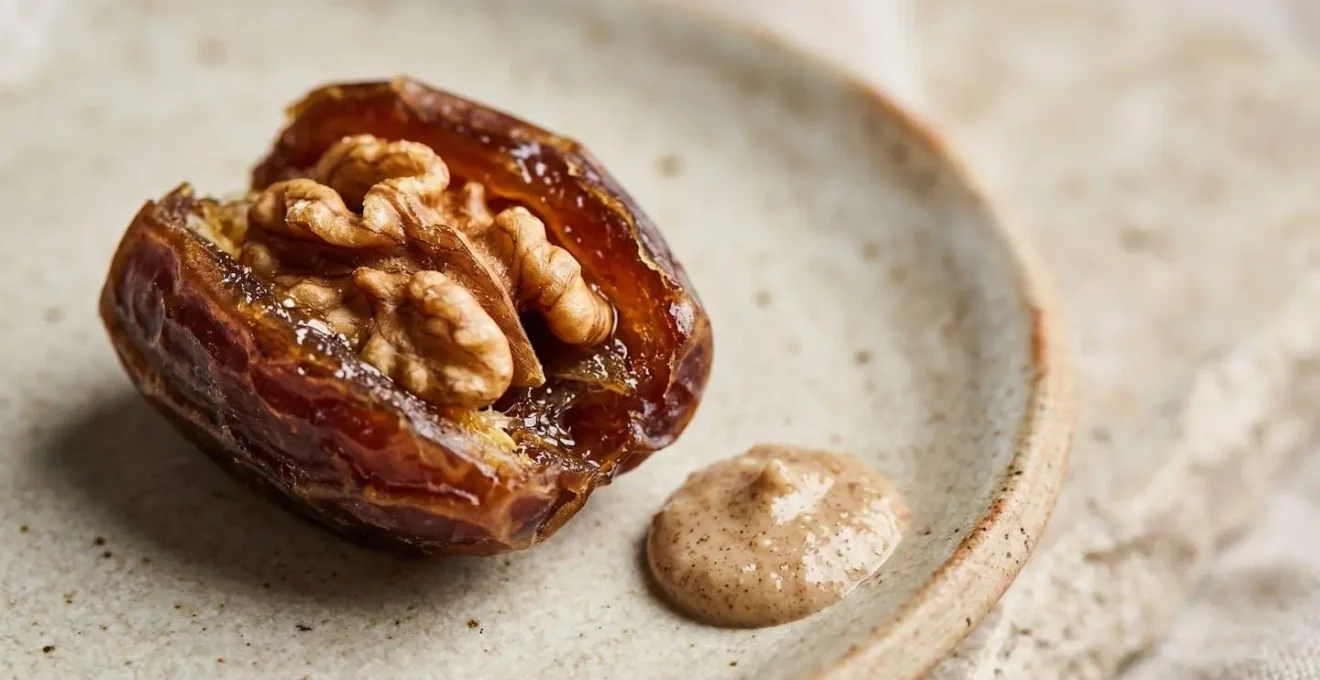
This image perfectly illustrates the concept. A Medjool date provides natural sweetness and fiber, while the walnut offers healthy fats and protein. This combination satisfies a sweet tooth while providing a slow release of energy. Other examples include apple slices with almond butter, a small bowl of full-fat Greek yogurt with berries, or a few dark chocolate squares with a handful of pumpkin seeds. These alternatives provide magnesium, antioxidants, and fiber, transforming your craving into a moment of true nourishment.
Whole Food Diet or Prenatal Vitamins: Do You Really Need Both?
This is a common question, and the answer from a functional perspective is an emphatic « yes. » A whole-food diet is the non-negotiable foundation of a healthy pregnancy, but a high-quality prenatal vitamin acts as a critical insurance policy. No diet is perfect every day, especially when dealing with nausea and food aversions. Furthermore, the nutrient demands of pregnancy are so high that meeting them through diet alone is exceptionally difficult. For example, ensuring adequate folate to prevent neural tube defects is paramount, yet CDC data shows that even with food fortification, over 22% of women aged 22-49 have inadequate folate intake.
However, not all prenatal vitamins are created equal. The concept of bioavailability—the ability of a nutrient to be absorbed and used by the body—is crucial. Many standard prenatals use cheaper, synthetic forms of nutrients that are difficult for the body to process. This is particularly true for women with common genetic variations like MTHFR, which impairs the conversion of synthetic folic acid into its usable form. Choosing a prenatal with active, bioavailable nutrient forms can make a world of difference in your energy levels and overall well-being.
This is where the quality of your prenatal vitamin becomes paramount. Not all forms of nutrients are created equal, as this comparison shows:
| Nutrient | Low Bioavailability Form | High Bioavailability Form | Why It Matters for Energy & Fatigue |
|---|---|---|---|
| Folate (B9) | Folic Acid | Methylfolate (5-MTHF) | 40-60% of women have MTHFR gene variant affecting folic acid conversion; methylfolate bypasses this step |
| Iron | Ferrous Sulfate | Iron Bisglycinate | Bisglycinate causes less GI distress and constipation, improving compliance and reducing fatigue |
| Magnesium | Magnesium Oxide | Magnesium Glycinate | Glycinate form better absorbed; critical for energy metabolism and calcium utilization |
| Vitamin B12 | Cyanocobalamin | Methylcobalamin | Methylcobalamin is the active form used directly in energy metabolism pathways |
As the table illustrates, opting for a prenatal with Methylfolate, Iron Bisglycinate, and Magnesium Glycinate is a strategic choice. It bypasses common conversion issues and reduces side effects like constipation, which itself can contribute to discomfort and fatigue. Your diet lays the groundwork, but a well-formulated supplement ensures there are no nutritional gaps during this critical period.
The Listeria Risk in Pre-Cut Fruit That Most Pregnant Women Ignore
While pregnant women are often warned about deli meats and soft cheeses, a less-discussed but significant risk for Listeria infection comes from a seemingly healthy convenience item: pre-cut fruits and vegetables. Listeria is a resilient bacterium that can grow at refrigerator temperatures. While the overall risk is low, with a CDC-reported infection rate of about 4 in 100,000 pregnant women annually in the U.S., the consequences can be devastating, including miscarriage and preterm labor. Pregnant women are about 10 times more likely to get listeriosis than other healthy adults.
The risk arises from the processing. The large-scale washing, chopping, and packaging of produce create multiple opportunities for contamination. A single contaminated piece of equipment or a batch of fruit can spread the bacteria to countless packages. The extended time between processing and consumption allows any present bacteria to multiply to dangerous levels. While the convenience of a pre-cut melon or a bagged salad is tempting, especially when you’re fatigued, the safest approach is to buy whole fruits and vegetables and prepare them yourself at home. Washing whole produce thoroughly before you cut it is a critical step to remove any surface contaminants.
Understanding the relative risks of convenience foods can help you make safer choices without feeling overwhelmed. This table breaks down common categories:
| Food Category | Risk Level | Safer Alternative | Why the Risk Exists |
|---|---|---|---|
| Pre-cut fruit & pre-packaged salads | Higher Risk | Whole fruits you wash and cut yourself | Listeria found in 5.2% of samples; processing equipment and extended shelf life allow bacterial growth |
| Deli meats (sliced at counter) | Higher Risk | Freshly cooked chicken or hard cheeses | Cross-contamination from slicing equipment; estimated to cause 90% of U.S. listeriosis cases |
| Soft cheeses (unpasteurized) | Higher Risk | Hard cheeses or pasteurized soft cheeses | Moisture content and lack of pasteurization support bacterial growth |
| Whole fresh fruit with peel | Safest Bet | N/A – already safe option | Protective peel prevents contamination; wash before cutting |
| Individual yogurt cups (pasteurized) | Safest Bet | N/A – already safe option | Pasteurization kills bacteria; sealed individual portions prevent contamination |
How to Drink 3 Liters of Water Daily Without Feeling Bloated?
The advice to « drink more water » during pregnancy is everywhere, but it often ignores the practical challenges. Chugging large amounts of plain water can leave you feeling uncomfortably full, bloated, and running to the bathroom constantly. The goal isn’t just hydration, but cellular hydration—ensuring water gets inside your cells where it’s needed for energy production and nutrient transport. This requires more than just water; it requires electrolytes.
Electrolytes like sodium, potassium, and magnesium act as gatekeepers, helping to pull water from your bloodstream into your cells. When you drink large volumes of plain water, you can dilute your body’s electrolyte concentration, which can paradoxically lead to less effective hydration and the flushing out of essential minerals. The key is to sip consistently throughout the day and to enhance your water with trace minerals. This can be as simple as adding a tiny pinch of high-quality sea salt and a squeeze of lemon to your water bottle. Furthermore, you can « eat » your water by consuming foods with high water content, like cucumbers, celery, and watermelon. This method provides hydration in a slow-release package, bundled with vitamins and fiber.
Action Plan: Your Electrolyte-Enhanced Hydration Strategy
- Add a pinch of high-quality sea salt and squeeze of fresh lemon to 16 oz water to create ‘sole water’ that improves cellular water absorption through trace mineral content.
- Eat your water by consuming high-water-content foods like cucumber (96% water), celery (95% water), watermelon (92% water), and homemade bone broth throughout the day.
- Avoid drinking large amounts of water during meals; instead, hydrate between meals to prevent diluting stomach acid and impairing nutrient absorption.
- Sip consistently throughout the day rather than chugging large volumes at once to maintain electrolyte balance and prevent rapid flushing of minerals.
- Monitor urine color (pale yellow is optimal) rather than forcing a specific volume, as individual needs vary based on activity level and climate.
Iron Infusion or Oral Supplements: Which Is Better for Third Trimester Anemia?
Iron-deficiency anemia is a leading cause of severe fatigue during pregnancy, particularly in the third trimester when iron demands skyrocket. Anemia is typically diagnosed when hemoglobin levels drop below 11 g/dL in the first and third trimesters or 10.5 g/dL in the second. When dietary iron isn’t enough, the choice between oral supplements and an intravenous (IV) iron infusion becomes a critical conversation with your provider. The best option depends on the severity of the anemia, your tolerance for oral supplements, and how quickly your levels need to be raised before delivery.
Oral supplements are the first line of defense. However, traditional forms like ferrous sulfate are notorious for causing constipation and GI upset, leading many women to stop taking them. A more modern, bioavailable form like iron bisglycinate is much gentler on the stomach and better absorbed, making it a superior choice for many. However, even with optimal oral supplementation, it can take 4-8 weeks to see a significant improvement in iron stores. If you’re severely anemic late in the third trimester, there may not be enough time for oral iron to work effectively before you give birth.
This is where an IV iron infusion can be a powerful tool. It delivers a large dose of iron directly into your bloodstream, bypassing the digestive system entirely. This leads to a rapid increase in iron stores and hemoglobin, often with noticeable energy improvements within one to two weeks. While more expensive and requiring a clinical visit, it’s often the most effective option for severe anemia, cases where oral iron isn’t tolerated, or when a rapid correction is needed to prepare for the blood loss of childbirth.
The decision is highly individual and should be made with your healthcare provider. This table summarizes the key factors to consider in that discussion:
| Factor | Oral Iron Supplements (Bisglycinate) | Oral Iron Supplements (Ferrous Sulfate) | IV Iron Infusion |
|---|---|---|---|
| Speed of Results | Gradual improvement over 4-8 weeks | Gradual improvement over 4-8 weeks | Rapid improvement within 1-2 weeks |
| Common Side Effects | Minimal GI distress, rare constipation | Frequent constipation, nausea, GI upset | Potential infusion reactions (rare), injection site discomfort |
| Dosage | 100-200 mg elemental iron daily | 100-200 mg elemental iron daily | Single or split doses totaling 500-1500 mg |
| Cost | Moderate ($15-30/month) | Low ($5-15/month) | High ($300-1000+ per infusion) |
| Time Commitment | Daily oral intake, 3+ months | Daily oral intake, 3+ months | 1-3 clinic visits (2-4 hours each) |
| When to Choose | Mild-moderate anemia, good GI tolerance | Mild anemia, budget constraint, tolerates side effects | Severe anemia (Hb <9 g/dL), oral intolerance, urgent correction needed |
Why Plain Water Might Not Be Enough if You Are Vomiting?
When you’re dealing with morning sickness or hyperemesis gravidarum, staying hydrated feels like an impossible task. The common advice to « just drink water » can backfire. Vomiting doesn’t just cause you to lose water; you also lose critical electrolytes like sodium, potassium, and chloride. These minerals are essential for fluid balance, nerve function, and muscle contraction. Drinking large amounts of plain, electrolyte-free water can further dilute your body’s remaining electrolyte stores, a dangerous condition known as hyponatremia, which can worsen nausea and dizziness.
In this state, your body needs a rehydration solution, not just water. An Oral Rehydration Solution (ORS) is a specific blend of water, sugar, and salt designed for maximum absorption. The glucose (sugar) in the solution actively helps the intestines absorb the sodium, and the sodium, in turn, helps pull water into your system. This is far more effective at rehydrating you at a cellular level than plain water. While commercial electrolyte drinks are available, they are often high in artificial colors and sweeteners. A simple, effective ORS can easily be made at home with basic kitchen ingredients.
Action Plan: Your DIY Oral Rehydration Solution for Pregnancy Vomiting
- Base Recipe: Mix 1 liter (4 cups) clean water + 6 level teaspoons sugar (or honey) + 1/2 level teaspoon salt. The sugar aids sodium and water absorption in the intestines.
- Potassium Boost: Add 1/2 cup coconut water OR 1/4 teaspoon cream of tartar to replace potassium lost through vomiting.
- Gut-Soothing Option: Replace plain water with cooled ginger tea (steep fresh ginger root 10 minutes) to help calm nausea while rehydrating.
- Sipping Strategy: Take small sips (1-2 tablespoons) every 5-10 minutes rather than large gulps to prevent triggering further vomiting.
- Red Flags – Call Doctor If: Unable to keep any fluids down for 12+ hours, dark/scant urine, severe dizziness upon standing, persistent abdominal pain, or fever above 101°F.
Key Takeaways
- Nutrient synergy is non-negotiable: Always pair iron with Vitamin C and ensure calcium intake is supported by cofactors like Vitamin D, K2, and magnesium.
- Bioavailability is king: The form of a nutrient in your supplement (e.g., iron bisglycinate vs. ferrous sulfate) matters more than the dose for absorption and minimizing side effects.
- Strategic hydration beats volume: Focus on cellular hydration by adding electrolytes to your water and « eating » high-water-content foods, rather than just chugging plain water.
Iron-Rich Proteins for Pregnancy: Best Plant-Based Sources When Meat Causes Nausea?
For many pregnant women, the thought of eating meat, a primary source of highly absorbable heme iron, can trigger intense nausea. This creates a challenging situation: the body desperately needs iron, but a key source is intolerable. Fortunately, the plant kingdom offers a wealth of non-heme iron sources. The catch is that non-heme iron is less bioavailable than its animal-based counterpart. This is where nutrient synergy becomes not just a helpful tip, but an absolute necessity for fighting fatigue.
The most powerful partner for plant-based iron is Vitamin C. When consumed in the same meal, Vitamin C can increase the absorption of non-heme iron by up to six-fold. This transforms a moderately useful iron source into a potent one. The strategy is simple: every time you eat an iron-rich plant food like lentils, chickpeas, tofu, or spinach, you must consciously pair it with a high-Vitamin C food. This could be squeezing lemon juice over a lentil soup, adding bell peppers to a tofu stir-fry, or having a side of strawberries with your pumpkin-seed trail mix. It’s an active, conscious pairing that makes all the difference.
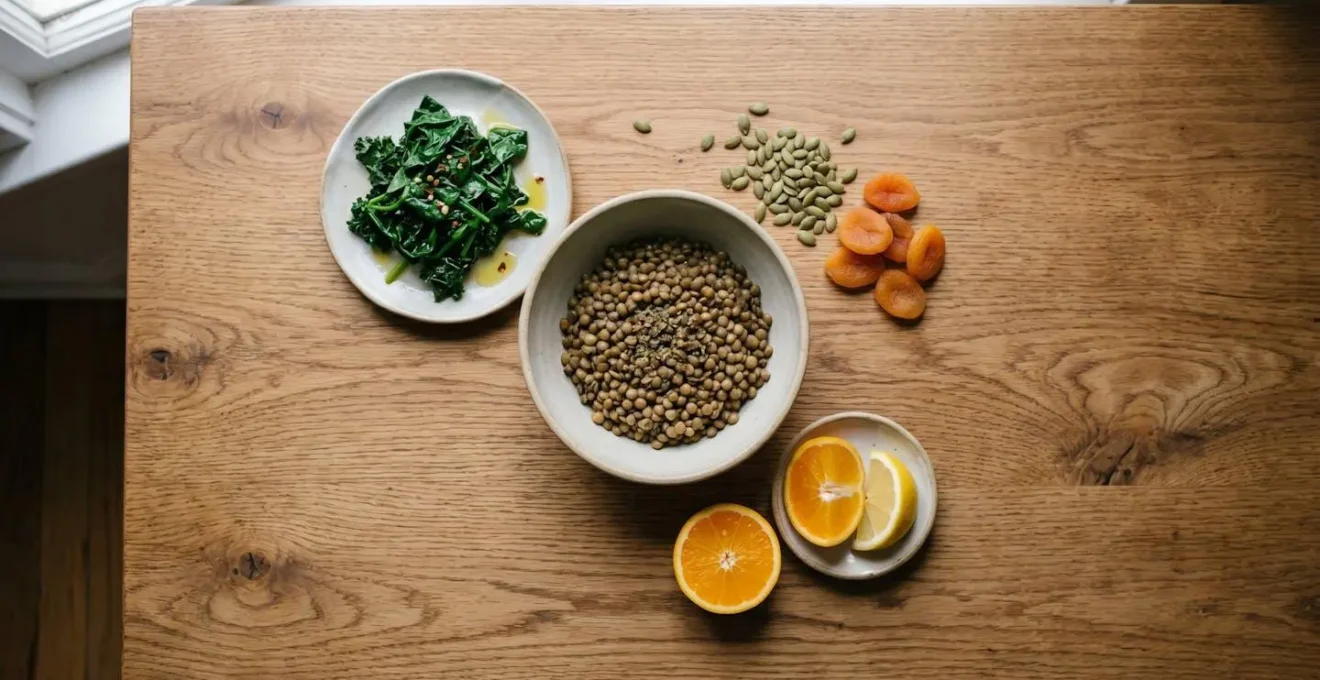
This systematic approach ensures you’re maximizing the potential of every meal. The following table provides practical examples to help you build energy-boosting, plant-based meals that are easy on a sensitive stomach.
| Plant Iron Source | Iron Content (per serving) | Vitamin C Pairing Option 1 | Vitamin C Pairing Option 2 | Vitamin C Pairing Option 3 |
|---|---|---|---|---|
| Cooked Lentils (1 cup) | 6.6 mg | Bell pepper slices (raw, 1/2 cup) | Tomato salsa (1/4 cup) | Orange segments (1/2 medium) |
| Firm Tofu (1/2 cup) | 3.4 mg | Broccoli (steamed, 1 cup) | Strawberries (1/2 cup) | Lemon juice squeezed over dish (2 tbsp) |
| Pumpkin Seeds (1 oz) | 4.2 mg | Kiwi fruit (1 whole) | Pineapple chunks (1/2 cup) | Grapefruit sections (1/2 cup) |
| Cooked Spinach (1 cup) | 6.4 mg | Mango slices (1/2 cup) | Tomatoes (1 medium, raw) | Brussels sprouts (roasted, 1 cup) |
| Chickpeas (1 cup) | 4.7 mg | Red bell pepper (raw, 1 cup) | Papaya (1 cup cubed) | Cauliflower (1 cup steamed) |
Empowered with this knowledge, the next step is to audit your own pantry and supplement cabinet. Start by making one strategic swap today—pairing your iron source with vitamin C or choosing a more bioavailable supplement—to begin rebuilding your energy from the cells up.