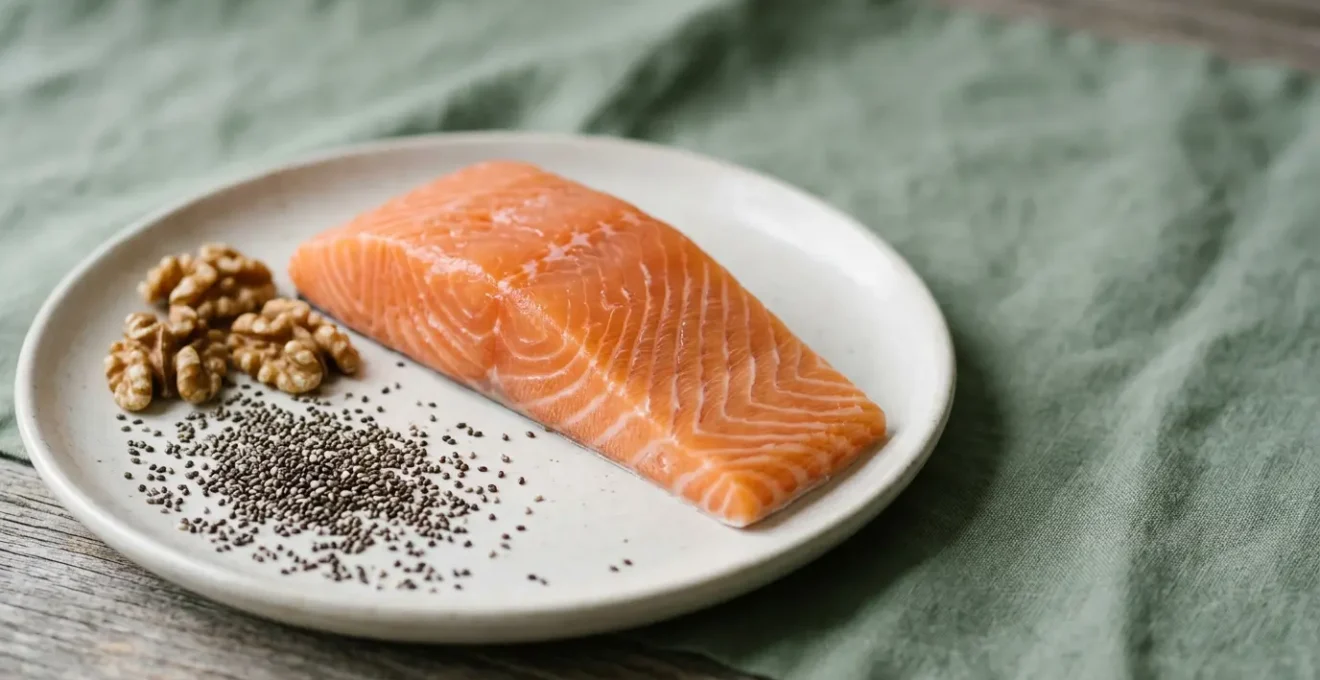
The fear of mercury contamination often leads pregnant women to avoid fish, potentially depriving their developing baby of crucial omega-3s. This guide moves beyond simple lists of ‘good’ and ‘bad’ fish. It provides a food safety toxicologist’s framework for understanding the mechanisms of toxin accumulation and applying practical, science-backed strategies to confidently select, prepare, and supplement with omega-3s, effectively neutralizing the risks while maximizing brain-health benefits.
Navigating nutritional advice during pregnancy can feel like walking through a minefield. On one hand, you are told that omega-3 fatty acids, particularly DHA, are absolutely essential for your baby’s developing brain and eyes. On the other, a wave of warnings about mercury in seafood creates a paralyzing fear. This conflict leaves many expecting mothers in a state of anxious confusion: risk mercury poisoning or risk suboptimal fetal development? The standard advice—to simply eat « low-mercury » fish like salmon or sardines—often feels incomplete, failing to address the deep-seated anxiety about making a wrong choice.
The feeling that you’re missing a crucial piece of the safety puzzle is valid. The key to true peace of mind isn’t just following a list of rules, but understanding the scientific principles behind them. It’s about moving from a place of fear to one of empowerment. This is not just another article listing « safe fish. » This is a practical, risk-mitigation framework from a toxicological perspective. We will explore the science of how toxins like mercury accumulate, the hidden risks in supposedly « healthy » supplements, and the precise methods to unlock the benefits of plant-based sources.
But the concern for neurotoxins doesn’t stop with fish. We will also touch upon other often-overlooked environmental exposures during pregnancy, such as Listeria risks in seemingly harmless foods and chemical exposures from common household products. By understanding these mechanisms, you can build a comprehensive safety net for you and your baby. This guide will equip you not with rules, but with knowledge, allowing you to make confident, informed decisions throughout your pregnancy and beyond.
To navigate this complex topic, we will break down the science into clear, actionable steps. This article provides a structured path, from understanding the foundational importance of DHA to implementing safety checks for every type of omega-3 source.
Contents: A Scientific Guide to Omega-3 Safety During Pregnancy
- Why DHA Is Specifically Critical for Fetal Retina Development?
- How to Choose Canned Tuna That Is Low in Mercury?
- Algae Oil or Fish Oil: Is the Vegetarian Option Equally Effective?
- The Storage Error That Turns Your Fish Oil Capsules Toxic
- How to Prepare Chia Seeds to Maximize Conversion to Usable Omega-3s?
- The Listeria Risk in Pre-Cut Fruit That Most Pregnant Women Ignore
- The Cleaning Product Mistake That Exposes Fetuses to Neurotoxins
- Why DHA Intake Postpartum Is Crucial for Preventing « Mommy Brain » Fog?
Why DHA Is Specifically Critical for Fetal Retina Development?
While « brain development » is the most commonly cited benefit of omega-3s, the role of one specific fatty acid—Docosahexaenoic Acid (DHA)—is profoundly critical for a very specific and intricate part of the fetus: the eyes. The fetal retina undergoes an explosive period of growth and differentiation, particularly during the third trimester. DHA is not just a helpful nutrient here; it is a primary structural component of the retinal cell membranes. Think of it as the specific type of brick required to build the light-capturing architecture of the eye. Without an adequate supply, the very structure of the photoreceptor cells can be compromised.
The demand for this nutrient is so high that the fetus actively pulls DHA from the mother’s system, concentrating it in its developing neural tissues. This process is a biological imperative for building a functional nervous system. As multiple researchers have pointed out, this is a highly targeted process. In the scientific paper « Maternal Docosahexaenoic Acid Status during Pregnancy and Its Impact on Infant Neurodevelopment, » it’s highlighted that this nutrient is not just used generally.
DHA accumulates substantially in the retina and cerebral cortex during the last trimester and the second year of life.
– Multiple researchers, Maternal Docosahexaenoic Acid Status during Pregnancy and Its Impact on Infant Neurodevelopment
This targeted accumulation underscores why a consistent maternal intake is non-negotiable. It’s not enough to have a general « healthy diet. » The body needs a direct source of this specific fatty acid to meet the high demands of constructing the complex wiring of both the brain and the visual system. An adequate supply of DHA is directly linked to better visual acuity in infancy, ensuring the fundamental building blocks for sight are correctly laid down before birth. For pregnant women, ensuring an intake of at least 200 mg of DHA daily is the evidence-based target to support this critical developmental window.
How to Choose Canned Tuna That Is Low in Mercury?
Tuna is a source of major confusion for pregnant women. It’s an accessible and affordable source of DHA, yet it’s also frequently cited in warnings about mercury. The key to resolving this paradox lies in understanding a core toxicological principle: bioaccumulation. Mercury levels increase in fish as you move up the food chain. Older, larger predatory fish that have eaten many smaller fish accumulate the highest concentrations of mercury in their tissues. The secret to safe tuna consumption is therefore to choose species that are small and have a short lifespan.
This is where the type of canned tuna becomes critically important. « White tuna » is almost always albacore, a larger species that is higher on the food chain. « Light tuna, » on the other hand, is typically skipjack or sometimes yellowfin. Skipjack are significantly smaller and younger when caught. Because of this, studies from the Gaples Institute reveal that skipjack tuna contains, on average, only one-third of the mercury found in albacore. For a pregnant woman, this difference is not trivial; it’s the defining factor between a safe meal and an unnecessary risk.

When shopping, you should actively look for « canned light » or « chunk light » tuna and check the label to confirm the species is skipjack. Albacore should be strictly limited or avoided entirely during pregnancy. This simple selection strategy allows you to reap the DHA benefits of tuna while dramatically minimizing mercury exposure. The following table, based on data from consumer safety organizations, provides a clear guide.
| Tuna Type | Mercury Level | Recommended Servings for Pregnant Women |
|---|---|---|
| Skipjack (Chunk Light) | Lowest | 2-3 servings per week (with exceptions) |
| Yellowfin (Solid Light) | Moderate | 1-2 servings per week |
| Albacore (White Tuna) | ~3x higher than Skipjack | Limit to 1 serving per week or avoid |
Algae Oil or Fish Oil: Is the Vegetarian Option Equally Effective?
For women who are vegetarian, have fish allergies, or remain anxious about mercury despite safe-selection strategies, the question of alternatives is paramount. Fish oil supplements have long been the standard, but a plant-based option derived from microalgae has emerged as a powerful contender. The critical question is: is it just as good? From a biochemical standpoint, the answer is a resounding yes. Fish do not produce DHA themselves; they obtain it by eating microalgae. Algae oil is therefore not a substitute for the real thing—it is the original source of DHA.
This means that algae-based DHA is structurally identical to the DHA found in fish and is equally bioavailable to the human body and the developing fetus. It provides a direct supply of this essential fatty acid without any of the associated risks of ocean-borne contaminants like mercury, PCBs, or dioxins. Because algae are grown in controlled, purified environments, they offer a uniquely clean and sustainable source of this vital nutrient. This makes it an ideal choice for pregnancy, removing the entire layer of concern about heavy metal toxicity.
The effectiveness of this vegetarian source is not just theoretical; it’s backed by strong clinical evidence. By choosing algae oil, pregnant women can meet their DHA requirements with a high degree of confidence and safety.
Case Study: Algae-Derived DHA Supplementation and Fetal Vision
To confirm its efficacy, a randomized controlled trial involving healthy Canadian pregnant women provided a clear verdict. One group received 400mg of algae-derived DHA daily from week 16 of gestation until delivery, while the other received a placebo. The results were significant: at week 36, the blood DHA levels in the supplemented women were 32% higher than those in the control group, showing excellent absorption. More importantly, the infants in the placebo group were three times more likely to have low visual acuity scores than the infants in the DHA group, demonstrating that algae-derived DHA is a highly effective source for supporting critical fetal visual development.
The Storage Error That Turns Your Fish Oil Capsules Toxic
Once you’ve carefully selected a high-quality fish or algae oil supplement, a new and often-ignored risk emerges: oxidative rancidity. Omega-3 fatty acids, particularly DHA and EPA, are polyunsaturated fats, which means their chemical structure makes them highly vulnerable to damage from heat, light, and oxygen. When these oils oxidize, they don’t just lose their potency; they break down into harmful byproducts, including lipid peroxides. Consuming rancid oil can introduce free radicals into your system, creating oxidative stress—the very thing you are trying to combat by taking antioxidants.
This is not a minor issue. Many supplements on the shelf may already be compromised before you even buy them. For instance, a multi-year analysis of 72 omega-3 supplements found that 68% of flavored and 13% of unflavored products exceeded acceptable international limits for oxidation. Flavorings are often added to mask the « fishy » taste that is a tell-tale sign of rancidity. The most significant damage, however, often occurs after you open the bottle. Storing your supplements in a warm, bright place like a bathroom cabinet or a kitchen counter next to the stove dramatically accelerates this degradation process, turning a beneficial product into a potentially toxic one.
The solution is a strict storage protocol. Treat your omega-3 supplement like you would a perishable food. Once opened, the bottle should be stored in the refrigerator to slow the oxidation process. Always choose products in opaque, dark bottles that block UV light, and consider buying smaller bottles that you will use up within a couple of months to minimize the oil’s exposure to oxygen each time the container is opened.
Action Plan: Selecting a High-Purity Omega-3 Supplement
- Verify Third-Party Testing: Only choose brands that provide a Certificate of Analysis (COA) from an independent lab (e.g., IFOS). This report verifies purity, potency, and, crucially, oxidation levels (look for low TOTOX values).
- Check the Source: For fish oil, prioritize sources from small, low-food-chain fish like anchovies and sardines. For a vegetarian option, confirm it is from cultured microalgae, not from an inefficient plant seed source.
- Inspect the Packaging: The supplement must be in a dark, opaque, non-plastic (preferably glass) bottle to protect it from light. Reject any product in a clear or translucent container.
- Assess Freshness upon Opening: Perform a « sniff and bite » test. A fresh oil should have a neutral or very light sea smell. If it has a strong, pungent « rotten fish » odor or tastes acrid, it is rancid and should be discarded immediately.
- Implement a Strict Storage Protocol: As soon as you open the bottle, store it in the refrigerator. Commit to using the entire bottle within the timeframe recommended by the manufacturer, typically 90-120 days.
How to Prepare Chia Seeds to Maximize Conversion to Usable Omega-3s?
Plant-based sources like flax, chia, and hemp seeds are often promoted as great sources of omega-3s. While this is true, they come with a significant biological catch. These plants contain omega-3 in the form of Alpha-linolenic acid (ALA), not the DHA and EPA that are directly usable by the body for fetal brain development. The human body can convert ALA into EPA and then into DHA, but this process is notoriously inefficient. For the crucial conversion to DHA, current research shows that the rate is often less than 1-5%. This means that relying solely on ALA sources to meet the high DHA demands of pregnancy is a high-risk strategy.
However, this does not mean ALA is useless. It is still an essential fatty acid with its own health benefits. The goal is to maximize the small conversion that *is* possible, treating it as a helpful supplement to, not a replacement for, direct DHA sources like fatty fish or algae oil. To do this, you must overcome two main barriers: physical accessibility and enzymatic competition. The omega-3 oils in seeds like chia and flax are locked inside a tough, fibrous outer shell. If you eat the seeds whole, they often pass through the digestive system largely intact, with the oils unabsorbed.
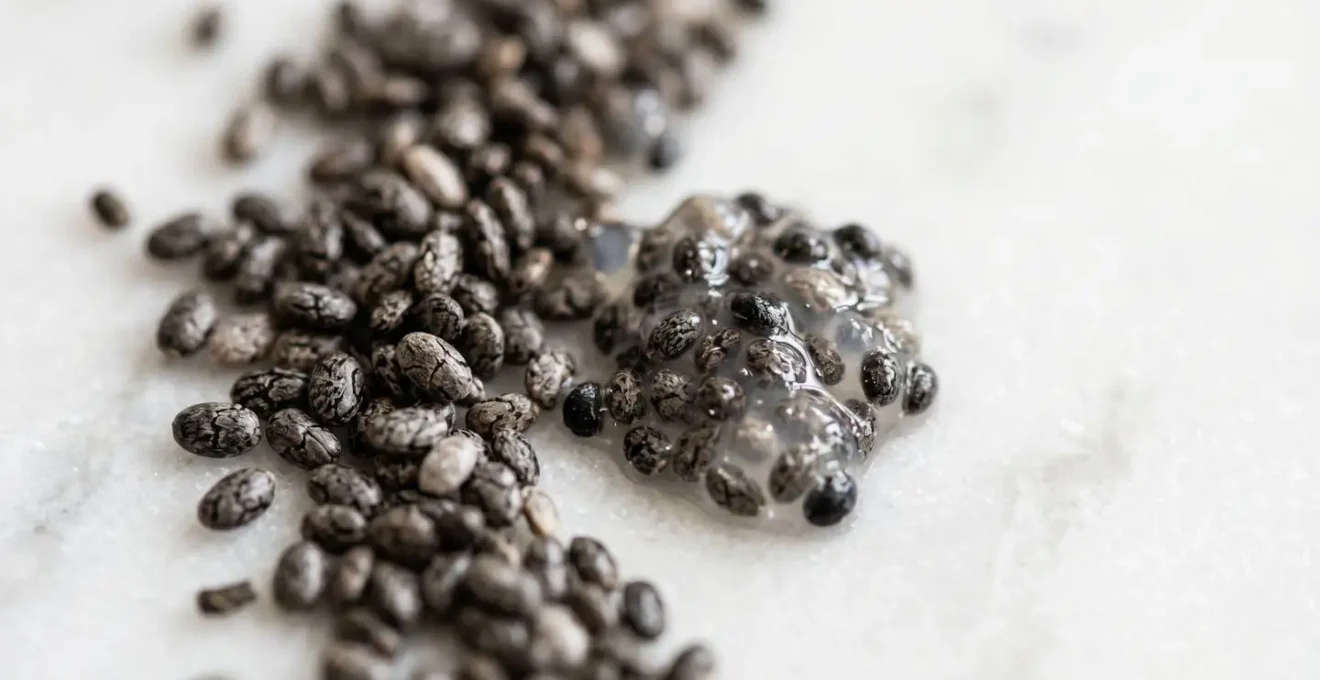
To unlock these oils and improve their bioavailability, a few preparation steps are necessary. The most effective method is to grind the seeds in a coffee grinder or high-powered blender immediately before consuming them. This breaks the fibrous shell and exposes the oils for digestion and absorption. Furthermore, the enzymes that convert ALA to DHA are the same ones that process omega-6 fatty acids, which are abundant in many vegetable oils (like corn, soy, and sunflower oil). A diet high in omega-6 can create « competition » for these enzymes, further suppressing the already-low conversion rate. Therefore, reducing your intake of processed foods and oils high in omega-6 can help optimize the pathway for ALA conversion.
The Listeria Risk in Pre-Cut Fruit That Most Pregnant Women Ignore
While mercury is the most feared contaminant, other microbial threats require just as much vigilance. One of the most significant during pregnancy is Listeria monocytogenes, a bacterium that can cause a serious infection called listeriosis. Pregnant women are about 10 times more likely than other healthy adults to get listeriosis, and the infection can lead to miscarriage, stillbirth, or life-threatening illness in a newborn. While it is commonly associated with deli meats and soft cheeses, a less-recognized but significant source of risk is pre-cut fruit and vegetables.
The convenience of a pre-cut melon or fruit salad platter comes with a hidden microbiological cost. From a food safety perspective, the processing of this produce introduces several risk factors. As food safety experts at the World Health Organization explain, the large, moist surface area, broken protective skin, and increased handling create multiple opportunities for contamination to be introduced and for bacteria like Listeria to multiply, especially if the product is not kept at a consistently cold temperature. The natural skin of a whole fruit provides a robust barrier against contamination. Once that barrier is cut, the nutrient-rich flesh is exposed.
Unlike many other bacteria, Listeria can grow at refrigerator temperatures. This means that even if the pre-cut fruit is stored correctly, the bacteria can continue to proliferate over time. The longer the time between cutting and consumption, the higher the potential risk. For maximum safety during pregnancy, the best practice is to avoid pre-cut produce entirely. Instead, buy whole fruits and vegetables and wash and cut them yourself at home, just before you plan to eat them. This simple shift in habit dramatically reduces your exposure to this dangerous pathogen.
The Cleaning Product Mistake That Exposes Fetuses to Neurotoxins
A safe internal environment for the fetus depends on a safe external environment for the mother. Many common household cleaning products contain volatile organic compounds (VOCs), phthalates, and other chemicals that can be inhaled or absorbed through the skin. These substances can cross the placental barrier and have the potential to act as neurotoxins or endocrine disruptors, interfering with the delicate process of fetal development. The mistake many people make is assuming that if a product is sold on a supermarket shelf, it must be safe for all uses, including during pregnancy.
From a toxicological standpoint, the concern lies with chronic, low-dose exposure. A developing fetus is uniquely vulnerable. For example, chemicals like phthalates, often found in fragranced products (from all-purpose cleaners to laundry detergents), are known endocrine disruptors that can interfere with hormonal signaling crucial for development. Similarly, strong solvents found in oven cleaners or heavy-duty degreasers can release powerful VOCs that, when inhaled, enter the mother’s bloodstream. The « clean » smell we often associate with these products is, in reality, an aerosol of potentially harmful chemicals.
The risk-mitigation strategy here is one of substitution and simplification. During pregnancy, it is wise to switch to simpler, safer cleaning agents. A solution of white vinegar and water is an effective disinfectant for most surfaces. Baking soda works as a gentle abrasive for scrubbing sinks and tubs. Using products that are explicitly labeled « fragrance-free » and « VOC-free » can significantly reduce exposure. It’s also critical to ensure good ventilation by opening windows whenever you are cleaning, regardless of the product used. This simple precaution helps disperse any airborne chemicals, reducing the amount you inhale.
Key Takeaways
- Prioritize Small Fish: To minimize mercury, consistently choose small, short-lived fish like skipjack tuna, sardines, and anchovies over larger predators like albacore tuna.
- Consider Algae Oil: Algae-derived DHA is the original source of omega-3, offering a scientifically proven, highly effective, and contaminant-free alternative to fish oil.
- Store Supplements Cold and Dark: Protect omega-3 oils from rancidity by storing them in the refrigerator in an opaque bottle after opening to prevent the formation of toxic byproducts.
- Grind Your Seeds: To access the omega-3s (ALA) in chia and flax seeds, you must grind them just before consumption to break their fibrous shells and maximize bioavailability.
Why DHA Intake Postpartum Is Crucial for Preventing « Mommy Brain » Fog?
The intense focus on fetal development often causes the mother’s own nutritional needs to be overlooked, especially in the postpartum period. The same DHA that was so critical for building the baby’s brain is just as vital for the mother’s brain function after birth. During pregnancy, the fetus acts as a « DHA parasite, » drawing whatever it needs from the mother’s reserves. If her dietary intake is insufficient to meet both their needs, her own stores become severely depleted. This depletion doesn’t magically resolve at delivery.
In fact, research from the American Pregnancy Association shows that this maternal DHA depletion can persist for 9 to 12 months postpartum and often worsens with subsequent pregnancies. This depletion is a primary suspect in the phenomenon commonly known as « mommy brain »—the brain fog, memory lapses, and difficulty concentrating that many new mothers experience. The brain is 60% fat, and a significant portion of that is DHA. When reserves are low, cognitive processing can become less efficient. Continuing a high-quality DHA supplement is therefore not just for the benefit of the breastfeeding infant, but a critical act of self-care for the mother’s own neurological recovery and well-being.
Furthermore, the connection goes beyond just cognitive fog. There is a strong and growing link between low omega-3 status and mood disorders. This is especially relevant in the vulnerable postpartum period, where hormonal shifts already increase the risk of depression.
Omega-3 deficiency also increases the mother’s risk of depression. This may explain why postpartum mood disorders may become worse and begin earlier with subsequent pregnancies.
– American Pregnancy Association, Omega-3 Fish Oil and Pregnancy
Maintaining DHA intake is a proactive strategy to support cognitive function and emotional stability during one of life’s most demanding transitions. It is an investment in the mother’s ability to not only care for her newborn but to thrive herself.
By adopting this knowledge-based framework, you can transform anxiety into confident action. Understanding the science of risk allows you to make precise, safe choices for yourself and your baby, ensuring you both receive the profound benefits of omega-3s without the worry. The next step is to apply these principles to your daily choices.