In summary:
- Boost plant-based iron absorption by up to 67% by consistently pairing iron-rich foods with a source of vitamin C.
- Actively avoid iron « blockers » like dairy, coffee, and tea within two hours of an iron-rich meal or supplement.
- Recognize specific symptoms of iron deficiency beyond general fatigue, such as cold hands, brittle nails, or pica.
- Use creative tools like an Iron Fish or strategic snacks to easily increase your daily iron intake without relying on meat.
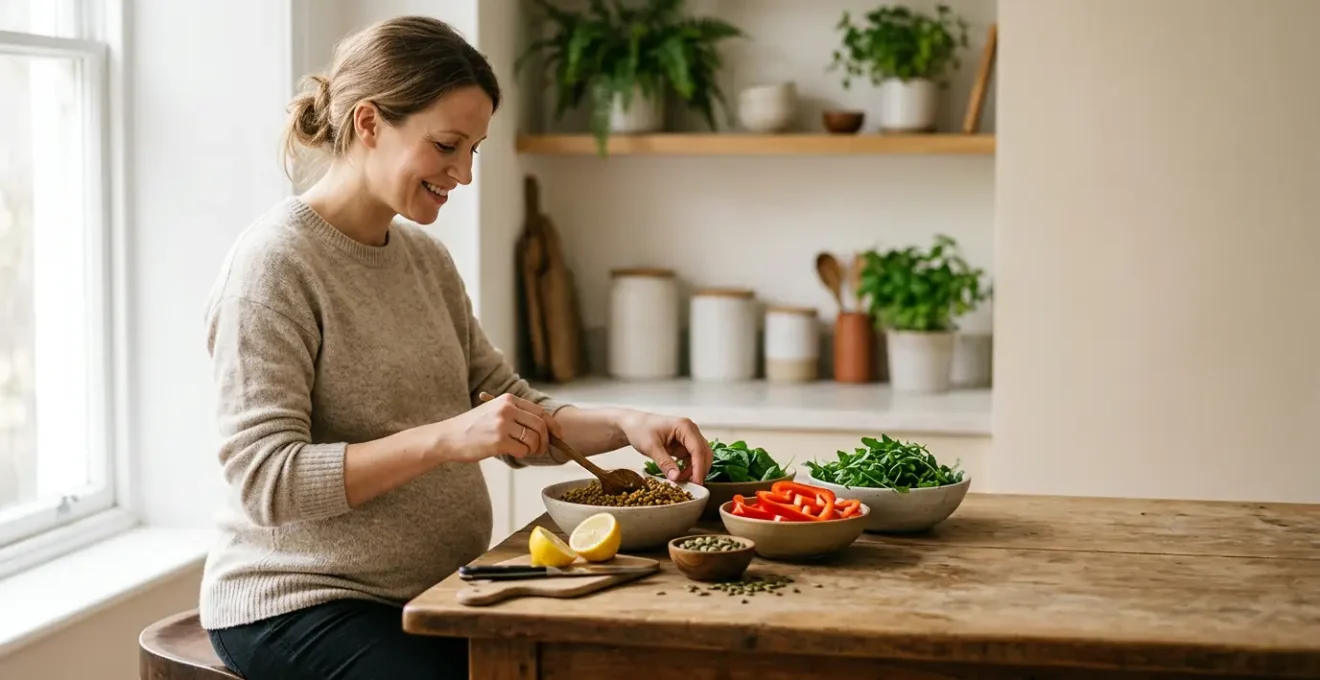
The first trimester often brings a wave of food aversions and nausea that can turn even the thought of meat into a challenge. For vegetarian mothers-to-be or those suddenly repulsed by their usual protein sources, a flicker of worry is common: « Am I getting enough iron for my baby? » You diligently eat more spinach and lentils, but the profound exhaustion persists. It’s a frustrating cycle that leaves you feeling depleted and concerned about your health and your baby’s development.
Most advice stops at simply listing iron-rich plants. But what if the secret isn’t just about *what* you eat, but *how* you eat it? The truth is, your body absorbs the iron from plants (non-heme iron) very differently than the iron from meat. Without the right strategy, you could be consuming plenty of iron, yet absorbing only a tiny fraction of it. This guide moves beyond the basics to reveal the hidden nutritional science of iron absorption. We’ll explore the powerful synergies that unlock this vital mineral and expose the common saboteurs lurking in your daily habits.
This is your creative and practical roadmap to mastering plant-based iron. We will explore everything from strategic food pairings and innovative cooking tools to understanding the critical differences between supplements and how to balance your entire plate for optimal wellness. You’ll learn not just what to eat, but how to make every bite count, transforming your diet into a powerful tool for a vibrant, energized pregnancy.
Summary: A Plant-Based Approach to Iron for an Energized Pregnancy
- Why You Must Pair Lentils With Vitamin C for Absorption?
- How to Use a Lucky Iron Fish to Boost Iron in Soups?
- Iron Infusion or Oral Supplements: Which Is Better for Third Trimester Anemia?
- The Dairy Mistake That Blocks Your Iron Supplement From Working
- How to Create Iron-Rich Trail Mix for Energy Slumps?
- Why Baby Takes Calcium from Your Bones if You Don’t Eat Enough Dairy?
- Iron Deficiency or Just Exhaustion: How to Spot the Symptoms?
- Pregnancy Macronutrients: How to Balance Carbs and Protein to Prevent Gestational Diabetes?
Why You Must Pair Lentils With Vitamin C for Absorption?
The iron found in plant-based foods like lentils, beans, and spinach is known as non-heme iron. Unlike the heme iron from animal products, your body finds it significantly harder to absorb. This is the central challenge for any plant-forward pregnancy diet. However, there is a simple and powerful key to unlocking this nutrient: vitamin C. When consumed in the same meal, vitamin C acts as a potent enhancer, transforming non-heme iron into a more bioavailable form that your digestive system can readily use.
This isn’t just a minor tweak; it’s a metabolic game-changer. In fact, research demonstrates that adding vitamin C can increase non-heme iron absorption by up to 67%. This means the iron in your lentil soup becomes substantially more effective when you squeeze a lemon over it or have a side of red bell peppers. Think of vitamin C as the escort that guides iron from your plate to your bloodstream, ensuring it gets to you and your growing baby.
To make this nutrient synergy work for you, aim for simple, creative pairings at every meal. Consider these practical applications:
- Stir fresh tomatoes and bell peppers into your bean chili.
- Add a handful of strawberries or a sliced orange to your spinach salad.
– Blend a smoothie with iron-fortified oats and a scoop of camu camu powder or a kiwi. – Squeeze fresh lime juice over your black bean tacos.
The best part is that many vitamin C sources are vibrant, fresh, and often appeal to a pregnancy palate. By making this simple pairing a habit, you are actively optimizing your diet to combat fatigue and build healthy blood stores for the months ahead.
How to Use a Lucky Iron Fish to Boost Iron in Soups?
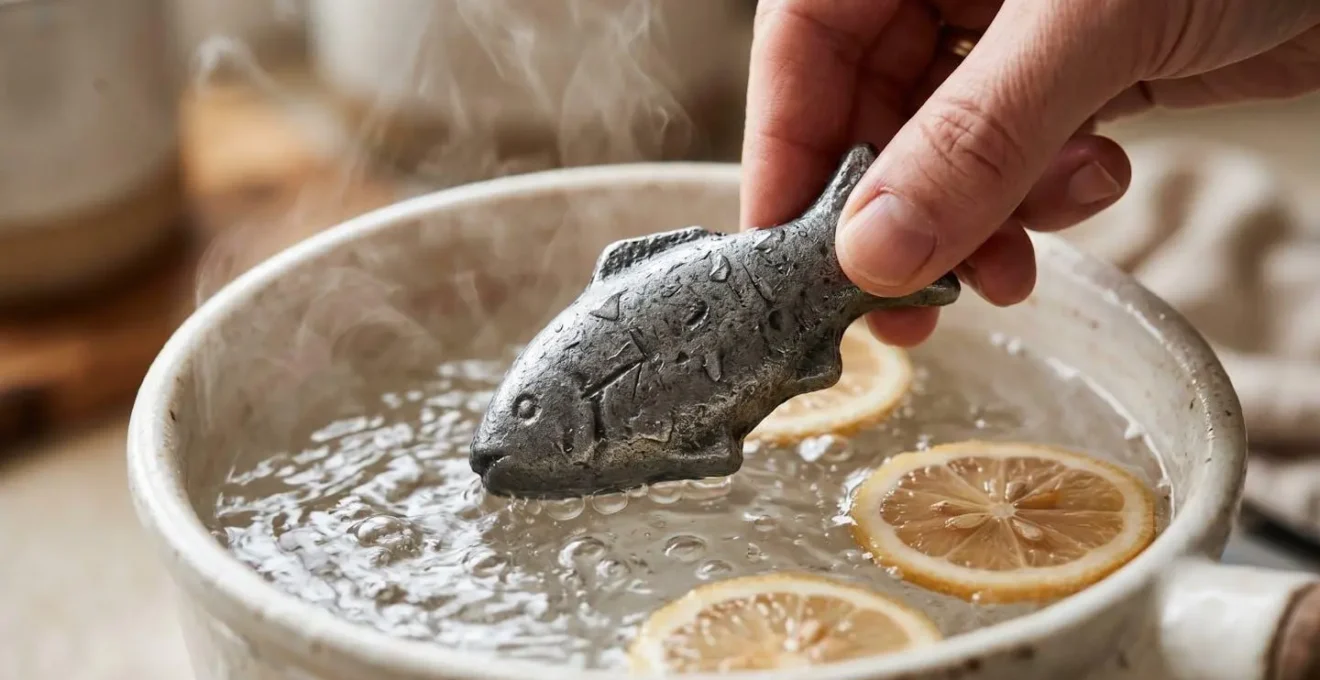
Beyond strategic food pairings, there are creative tools designed to fortify your meals with iron, and one of the most effective is the Lucky Iron Fish. This is a small, fish-shaped cast iron ingot that you add to any boiling liquid—like soups, stews, curries, or even just water for making tea—to naturally release a safe and significant amount of iron into your food. For pregnant women struggling with nausea who can only tolerate simple broths or rice, this tool can be a lifesaver.
The process is remarkably simple. You simply add the clean iron fish to 1 liter (about 4 cups) of boiling liquid along with 2-3 drops of acidity, like citrus juice or vinegar. The acid is crucial as it facilitates the release of the iron. Let it boil for 10 minutes, then remove the fish. The liquid is now enriched with easily absorbable iron, ready to be used as the base for your cooking. It doesn’t alter the taste or color of your food, making it a seamless addition to your routine.
This simple tool is not just a novelty; it is backed by significant clinical research proving its efficacy in fighting iron deficiency anemia worldwide. It provides a reliable way to boost iron intake without relying on supplements that can sometimes cause constipation.
Case Study: Guatemala’s Success with the Lucky Iron Fish
A 52-week longitudinal study in rural Guatemala provided compelling evidence for this tool. It followed 145 individuals with iron deficiency anemia who used the Lucky Iron Fish in their daily cooking. The results were remarkable: a mean hemoglobin improvement of 19.6% was observed, and over 80% of participants who completed the study were no longer anemic after one year. This confirms that consistent use is a measurable and effective strategy for enriching diets low in iron.
Iron Infusion or Oral Supplements: Which Is Better for Third Trimester Anemia?
When diet and creative tools aren’t enough to correct low iron levels, especially in the third trimester, your healthcare provider may recommend a more direct intervention. The two primary options are oral iron supplements and intravenous (IV) iron infusions. While oral supplements are the common first-line treatment, they come with challenges, including gastrointestinal side effects like constipation and nausea, and they require weeks or months to build up iron stores. For anemia diagnosed late in pregnancy, this timeline can be a significant concern.
IV iron infusion offers a much faster and often more effective solution. Administered directly into the bloodstream, it bypasses the digestive system entirely, eliminating common side effects and delivering a large dose of iron that the body can use immediately to produce hemoglobin. This is particularly crucial as delivery approaches, as adequate iron stores are essential for managing blood loss during birth and for postpartum recovery. A 2025 trial found a 46.7% anemia rate with IV iron versus 62.7% with oral iron at 36 weeks, highlighting its superior efficacy in late pregnancy.
The choice between these two methods is a medical decision that depends on the severity of your anemia, how far along you are in your pregnancy, and how well you tolerate oral supplements. If you’re struggling with persistent fatigue and low iron levels, it’s essential to have an informed conversation with your doctor to determine the best path forward for you and your baby.
Your Action Plan: Questions to Ask Your Doctor About Iron Treatment
- What are my current ferritin and hemoglobin levels? (Ask for the specific numbers to understand your iron stores vs. active red blood cells).
- Based on my levels and trimester, how severe is my anemia? (This helps contextualize the urgency and type of treatment needed).
- Have I given oral iron supplements a fair trial? (Discuss your consistency and any side effects you’ve experienced over 4-6 weeks).
- Given my due date, is an IV iron infusion a safer or more effective option to ensure my iron stores are adequate for delivery?
- What are the logistics and costs of an IV infusion versus continuing with oral supplements under my insurance plan?
The Dairy Mistake That Blocks Your Iron Supplement From Working
You’re diligently taking your iron supplement, but your energy levels are still flatlining. The culprit might be hiding in plain sight: your morning glass of milk, yogurt, or even that calcium-fortified plant milk. Calcium is one of the most powerful iron absorption blockers. When consumed together, calcium and iron compete for the same absorption pathways in your gut, and calcium almost always wins. This means a significant portion of the iron you consume passes through your system without ever being used.
This nutritional conflict is a common and costly mistake, effectively neutralizing your efforts to boost your iron levels. The solution isn’t to eliminate calcium—it’s a vital nutrient for your baby’s skeletal development—but to be strategic about timing. As a rule of thumb, you should separate your iron and calcium intake by at least two hours. This might mean taking your iron supplement with a small glass of orange juice (for that vitamin C boost!) on an empty stomach first thing in the morning and waiting a couple of hours before having your yogurt or calcium-fortified cereal.
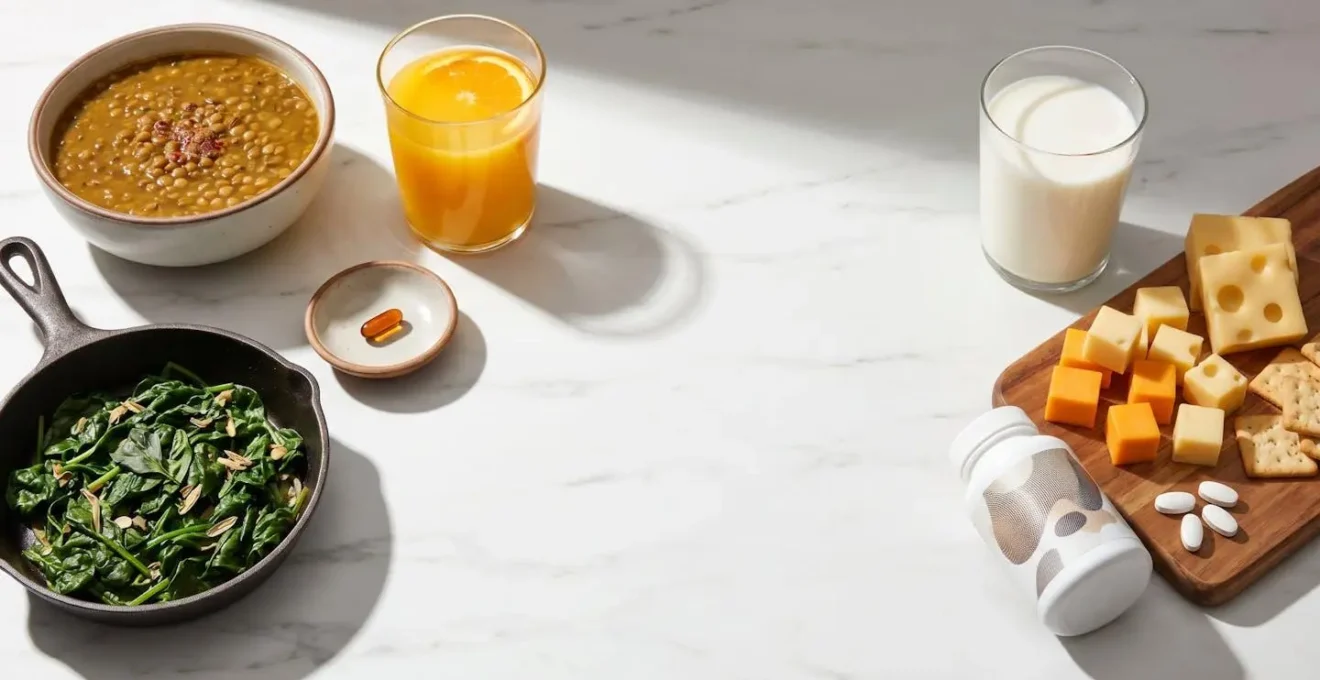
This principle of nutrient timing extends beyond just dairy. Other common inhibitors include polyphenols (found in coffee and black tea) and phytates (in whole grains and legumes). Being mindful of these interactions is key to maximizing what your body takes in.
Taking iron with dairy can cut absorption in half, so vitamin C helps restore some uptake.
– Sina Hartung, MMSC-BMI, Eureka Health
By simply adjusting the timing of your supplements and meals, you can dramatically improve your iron status without changing what you eat, turning your diet from a source of conflict into a model of efficiency.
How to Create Iron-Rich Trail Mix for Energy Slumps?
Mid-afternoon energy slumps can be particularly challenging during pregnancy. Instead of reaching for a sugary snack that leads to a crash, a strategically designed trail mix can provide sustained energy while delivering a powerful dose of plant-based iron. Creating your own is simple, cost-effective, and allows you to cater to your specific cravings and aversions, especially when nausea is a factor.
The perfect iron-boosting trail mix follows a simple three-part formula, ensuring a balance of iron, vitamin C, and healthy fats/protein. This combination not only provides the building blocks for hemoglobin but also stabilizes blood sugar, preventing the peaks and valleys that contribute to fatigue. By combining these elements, you create a synergistic snack that is both delicious and functional.
Here is a simple template to build your perfect mix:
- Part 1: The Iron Source (1 cup): Choose from iron-rich nuts and seeds. Pumpkin seeds and cashews are excellent choices. Roasted chickpeas also offer a great crunchy, non-nut option.
- Part 2: The Vitamin C Source (1 cup): This is the key to unlocking the iron. Dried apricots, dried mango, and freeze-dried strawberries are fantastic because they retain their vitamin C and provide natural sweetness.
- Part 3: The Energy & Protein Source (1 cup): Add almonds for protein and healthy fats, sunflower seeds, or even some puffed quinoa for a light, crispy texture.
For a particularly nausea-friendly version, try a combination of roasted chickpeas (bland and crunchy), freeze-dried strawberries (light and not greasy), and pumpkin seeds. A small serving of 1/4 to 1/2 cup is the perfect portion to bridge the gap between meals and keep your energy steady.
Why Baby Takes Calcium from Your Bones if You Don’t Eat Enough Dairy?
While iron often takes the spotlight, calcium is another non-negotiable mineral during pregnancy. Your growing baby has a tremendous need for calcium to develop a strong skeleton, teeth, and a healthy heart and nervous system. This demand is so critical that if your dietary intake is insufficient, your baby’s needs will still be met. The body has a built-in, non-negotiable mechanism: it will draw the calcium it needs directly from your own bones and teeth.
This process, known as maternal bone resorption, ensures the baby thrives but can leave you depleted, increasing your risk of osteoporosis later in life. This is why meeting your daily calcium needs is not just for your baby, but a long-term investment in your own health. Nutrition guidelines specify that 1,000 mg of calcium is needed daily during pregnancy, a significant increase from non-pregnant requirements.
For those avoiding dairy due to aversions, lactose intolerance, or a plant-based lifestyle, meeting this target requires a strategic approach. Fortunately, the plant kingdom offers a wealth of excellent, highly absorbable calcium sources. Fortified plant milks, calcium-set tofu, and dark leafy greens are powerhouses of this essential mineral. Integrating these foods thoughtfully throughout the day is key to protecting your bone density while building your baby’s.
Here is a comparison of some of the best plant-based calcium sources:
| Food Source | Serving Size | Calcium Content | Additional Benefits |
|---|---|---|---|
| Fortified Plant Milk (soy, almond, oat) | 1 cup (240ml) | 300-450 mg | Often fortified with vitamin D, B12 |
| Tofu (calcium-set) | 1/2 cup (126g) | 250-750 mg (varies by brand) | High protein, iron source |
| Tahini (sesame seed paste) | 2 tablespoons | 130 mg | Healthy fats, iron, versatile |
| Collard Greens (cooked) | 1 cup | 268 mg | Folate, vitamin K, iron |
| Fortified Orange Juice | 1 cup | 300 mg | Vitamin C enhances iron absorption |
Key Takeaways
- Nutrient synergy is key: Always pair plant-based iron sources with a source of vitamin C to dramatically boost absorption.
- Timing is everything: Separate your iron intake from calcium (dairy, fortified milks) and tannins (coffee, tea) by at least two hours to prevent blocking.
- Fatigue is not a simple symptom: Learn to differentiate the specific signs of iron deficiency from normal pregnancy tiredness to know when to seek medical advice.
Iron Deficiency or Just Exhaustion: How to Spot the Symptoms?
Fatigue during pregnancy is so common that it’s often dismissed as an unavoidable side effect. However, a bone-deep exhaustion that never seems to lift, even after a full night’s rest, could be a sign of something more: iron deficiency anemia. With blood volume increasing by nearly 50% during pregnancy, the demand for iron to produce hemoglobin skyrockets. It’s no surprise that studies have revealed more than 80% of women become iron deficient by their third trimester without adequate supplementation.
Learning to perform a symptom differentiation is a crucial skill for self-advocacy. While normal pregnancy fatigue comes and goes, the fatigue from anemia is persistent and often accompanied by other specific, tell-tale signs. Paying attention to these subtle clues can help you determine if it’s time to talk to your doctor about getting your iron levels checked. Don’t just assume you have to « tough it out »; addressing anemia can dramatically improve your quality of life during pregnancy.

Look for patterns beyond just feeling tired. Are you constantly cold when others are comfortable? Do you feel breathless after walking up a single flight of stairs? One of the most unusual but specific symptoms is pica, a craving for non-food items like ice, clay, or paper. This is a classic sign the body is desperately seeking minerals. By recognizing these signs, you can move from passive endurance to proactive health management.
| Symptom Category | Normal Pregnancy Fatigue | Potential Iron Deficiency Fatigue |
|---|---|---|
| Energy Pattern | Tired after activity, improves with rest | Exhausted upon waking, persistent throughout day |
| Temperature Sensation | Feeling warm or overheated (increased metabolism) | Feeling persistently cold, especially hands and feet |
| Physical Appearance | Healthy skin tone, normal nail strength | Pale skin (especially inside lower eyelids), brittle nails, possible hair loss |
| Breathing | Slightly breathless with exertion (normal in late pregnancy) | Shortness of breath at rest or with minimal activity |
| Unusual Cravings | Food cravings for sweets, salty foods | Pica – craving ice, clay, dirt, paper, or other non-food items |
Pregnancy Macronutrients: How to Balance Carbs and Protein to Prevent Gestational Diabetes?
While micronutrients like iron and calcium are critical, a healthy pregnancy diet is also about the big picture: balancing your macronutrients. The interplay between carbohydrates, protein, and fat is the foundation of metabolic balancing, which is essential for maintaining stable energy levels and, crucially, helping to prevent or manage gestational diabetes. An iron-rich diet doesn’t have to exist in a vacuum; it should be integrated into a well-structured, blood-sugar-friendly eating plan.
The key is to pair smart, complex carbohydrates with adequate protein and healthy fats at every meal. Complex carbs (found in whole grains, legumes, and vegetables) break down slowly, providing a steady release of glucose into the bloodstream. Protein and fat further slow this process, preventing the sharp blood sugar spikes and subsequent crashes that can lead to fatigue, excessive hunger, and an increased risk for gestational diabetes. Many foods that are great for this purpose are also excellent sources of plant-based iron.
This approach creates a win-win: you’re boosting your iron intake while simultaneously supporting stable blood sugar. Think of meals like a black bean and quinoa salad with a lemon-tahini dressing. Here, the quinoa provides a low-glycemic carb, the black beans offer iron and protein, and the tahini adds healthy fats. The lemon juice, of course, enhances the iron absorption. These power combos are the cornerstone of a vibrant, plant-based pregnancy diet.
Here are some iron-rich, low-glycemic meal ideas to inspire you:
- Black Bean & Quinoa Salad: Combine cooked black beans and quinoa with diced bell peppers and a lemon-tahini dressing for a perfect blend of protein, complex carbs, and vitamin C.
- Lentil Vegetable Soup: A hearty soup with a base of low-glycemic lentils and plenty of non-starchy vegetables, finished with a squeeze of fresh lemon.
- Chickpea & Spinach Curry: A tomato-based curry with chickpeas and spinach provides iron, vitamin C, and fiber. Serve with a small portion of brown rice.
- Apple Slices with Pumpkin Seed Butter: The perfect snack combining the fiber and vitamin C of an apple with the iron, protein, and healthy fats of pumpkin seed butter.
By embracing these creative and strategic approaches, you can build a personalized, plant-based diet that not only meets your iron needs but also supports your overall energy and well-being. The next logical step is to start incorporating these food pairings and timing strategies into your daily meal planning today.