
The fear of accidentally harming your newborn during basic care is real, but understanding the ‘why’ behind the ‘how’ is the key to building unshakable confidence.
- Over-bathing and harsh detergents actively damage the skin’s protective barrier, leading to dryness and eczema.
- Simple mistakes, like wiping technique or lifting the legs too high during a diaper change, can cause infections or startle the baby awake.
- Gentle, minimalist approaches are scientifically proven to be safer and more effective for newborn health.
Recommendation: Focus on preserving your baby’s natural skin barrier and using deliberate, science-backed techniques for every task, from bathing to laundry.
Bringing home a newborn is a moment of profound joy mixed with an equally profound sense of overwhelming responsibility. For first-time parents, this fragile, tiny human can seem impossibly delicate. The fear of causing them harm during routine tasks like bathing, changing a diaper, or even trimming their paper-thin nails is a universal anxiety. Well-meaning advice often boils down to « be gentle » or « have your supplies ready, » but these platitudes do little to soothe the terror of a parent holding a squirming infant near water for the first time.
Many common practices, passed down through generations, are now being questioned by modern pediatric science. The focus is shifting from rigid rules to understanding the underlying principles of newborn physiology. What if the key to confident care wasn’t just following a checklist, but truly understanding the ‘medical why’ behind each action? It’s about knowing *why* dry cord care is superior, *why* over-bathing can trigger skin issues, and *why* a specific wiping motion prevents painful infections. This deeper knowledge transforms fear into empowerment.
This guide is designed from the perspective of a pediatric nurse to walk you through these essential routines. We will move beyond simple instructions to explain the safety-focused, evidence-based reasoning for each recommendation. By the end, you will not only know *how* to perform these tasks but will understand the principles of skin barrier integrity, reflex management, and thermoregulation, allowing you to care for your baby with the calm confidence you both deserve.
To help you navigate these crucial first weeks, this article breaks down the most common newborn care challenges into clear, manageable sections. Discover the evidence-based best practices that prioritize your baby’s safety and comfort.
Summary: A Guide to Newborn Bath and Diaper Routines for Sensitive Skin
- Why Keeping the Stump Dry Is Better Than Using Alcohol?
- How to Trim Paper-Thin Nails Without Nipping Fingertips?
- Daily Bath or Sponge Bath: Which Is Best for Newborn Skin pH?
- The Wiping Error That Causes Redness in Girl Babies
- How to Layer Clothes for Sleep Based on Room Temperature?
- How to Change a Diaper Without Waking the Baby Fully?
- The Laundry Detergent Error That Triggers Eczema Flare-Ups
- Pediatric Checkups Schedule: What Questions to Ask Your Doctor at the 2-Month Milestone?
Why Keeping the Stump Dry Is Better Than Using Alcohol?
For decades, the standard advice was to swab a newborn’s umbilical cord stump with rubbing alcohol at every diaper change. The logic seemed sound: kill germs, prevent infection. However, modern pediatrics has completely reversed this recommendation, shifting to a « less is more » approach known as dry cord care. The primary goal is to encourage the stump to dry out and fall off on its own, which typically happens within one to three weeks. Using alcohol can actually irritate the sensitive skin around the stump and, in some cases, delay this natural separation process.
The science supports this shift. Keeping the area clean and dry is sufficient for preventing infection in a healthy, full-term newborn in a developed country. This is now the official recommendation according to updated World Health Organization guidelines. The focus is on promoting natural healing, not aggressive sterilization. Instead of alcohol, simply fold the top of the baby’s diaper down and away from the stump (or use newborn diapers with a special U-shaped cutout) to expose it to air. If the stump gets soiled with urine or stool, you can gently clean it with a cotton swab dipped in plain water and then carefully pat it dry.
This hands-off approach minimizes chemical exposure and respects the body’s natural processes. As the American Academy of Pediatrics states, the evidence is clear and reassuring for new parents. This is a foundational principle of modern newborn care: avoid interfering unless necessary. Your role is to create a clean, dry environment and let nature take its course.
There is no need to use alcohol on the umbilical cord stump; just keep it clean.
– American Academy of Pediatrics, HealthyChildren.org – Umbilical Cord Care in Newborns
How to Trim Paper-Thin Nails Without Nipping Fingertips?
A newborn’s fingernails are paper-thin and flexible, but they can be surprisingly sharp. The fear of accidentally nipping their tiny, delicate fingertips is a major source of anxiety for parents. The key to success is choosing the right tool, the right time, and having a steady hand. Avoid using adult-sized clippers. Instead, opt for blunt-nosed baby nail scissors or, even better, a soft emery board or an electric nail file designed for infants. These tools offer more control and significantly reduce the risk of cutting the skin.
The best time to tackle this task is when your baby is calm and sleepy, or even fast asleep. This minimizes squirming. To get a safe cut, press the finger pad away from the nail to create a clear margin. Keep a firm but gentle hold on your baby’s hand. If you’re using a file, a gentle motion in one direction is all that’s needed to smooth the sharp edges. Don’t try to make them perfectly rounded; the goal is simply to prevent scratching.
This illustration shows the ideal technique for using a soft emery board, which is often the safest starting point for nervous parents. It allows you to smooth away sharp corners without any cutting action.
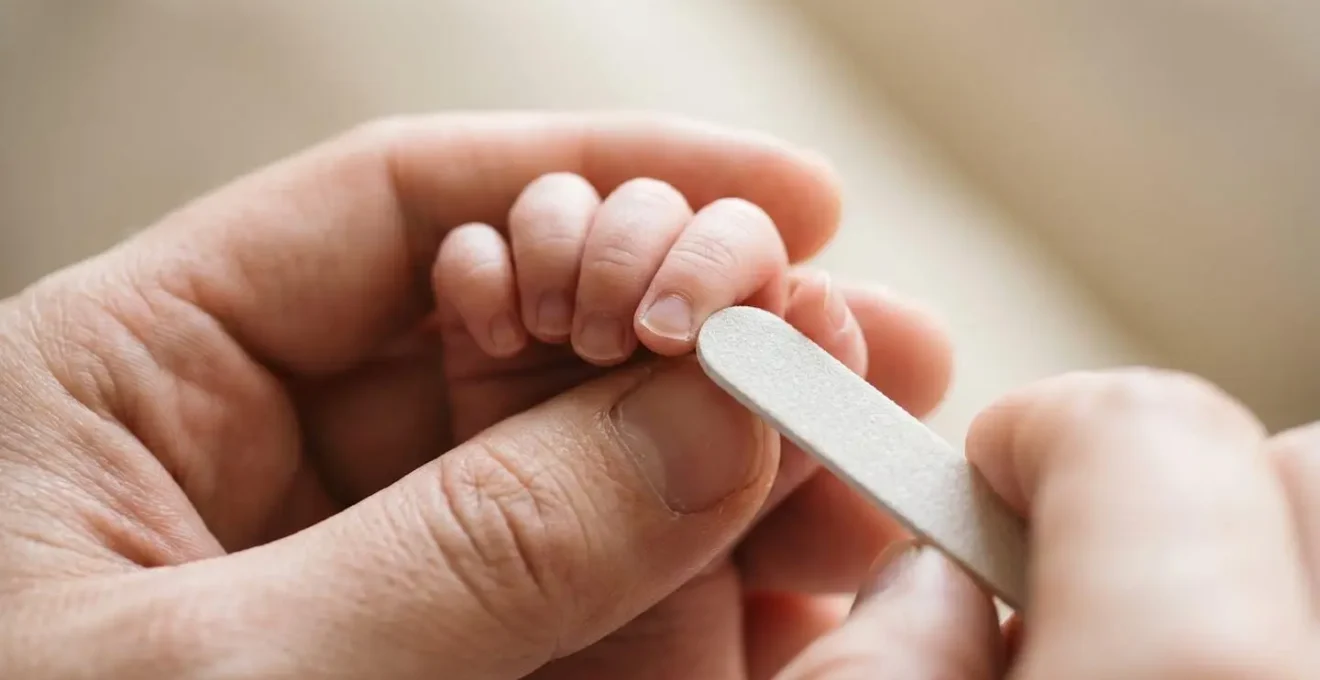
Even with the utmost care, accidents can happen. If you do cause a small nick, do not panic. The area may bleed a bit, but it’s rarely a serious injury. Immediately rinse the cut under cool water, then wrap a clean tissue around the finger and apply gentle pressure until the bleeding stops. It is crucial not to use a bandage, as it can become a choking hazard if it comes loose.
Daily Bath or Sponge Bath: Which Is Best for Newborn Skin pH?
The image of a baby splashing happily in a tub is iconic, but the belief that daily baths are necessary or even beneficial for a newborn is a myth. In fact, over-bathing is one of the most common ways parents inadvertently compromise their baby’s skin barrier integrity. A newborn’s skin is incredibly delicate and has a naturally acidic pH that acts as a protective shield against bacteria and irritation. Frequent bathing, especially with soap and tap water (which is typically alkaline), can strip away natural oils and disrupt this crucial pH balance.
Until the umbilical cord stump falls off, sponge baths are the only method you should use. Even after, bathing just two to three times a week is more than sufficient for a newborn. In between, you can « top and tail » by cleaning their face, neck, hands, and diaper area with a soft, damp cloth. This approach preserves the skin’s natural microbiome and protective oils. The evidence against over-bathing is compelling; research published in Clinical & Experimental Allergy demonstrates that daily bathing at 3 months significantly increases transepidermal water loss, a key factor in dry skin and eczema.
The PreventADALL study, a large-scale randomized trial, confirmed these risks. It found that infants bathed daily had a significantly higher risk of developing eczema by their first birthday compared to those bathed less frequently. This isn’t about cleanliness; newborns don’t get dirty in the traditional sense. It’s about protecting a developing organ—their skin. When you do bathe your baby, use a pH-neutral, fragrance-free cleanser sparingly and keep the bath short, just 5-10 minutes in lukewarm water. This minimalist approach is the gold standard for promoting lifelong skin health.
The Wiping Error That Causes Redness in Girl Babies
Proper diapering technique is about more than just containment; it’s a critical measure for preventing painful infections, especially in baby girls. The single most important rule is to always wipe from front to back. This isn’t just arbitrary advice; it’s based on fundamental anatomy and microbiology. A baby girl’s urethra (the opening of the urinary tract) is located very close to her anus. Wiping from back to front, or using the same wipe for more than one pass, can transfer E. coli and other bacteria from the bowel directly to the urethral opening. This process, known as bacterial translocation, is a primary cause of urinary tract infections (UTIs).
UTIs can be difficult to detect in infants and can cause significant discomfort and even lead to more serious kidney infections if left untreated. Girls are at a higher risk for UTIs precisely because their anatomy makes this bacterial transfer easier, according to pediatric guidelines from the American Academy of Pediatrics. Therefore, mastering the correct technique is a non-negotiable safety practice.
Adopt the « One Wipe, One Direction » method. Use a fresh, clean wipe for a single, deliberate motion starting at the pubic area and moving toward the back. Discard that wipe, and use a new one if more cleaning is needed. This prevents recontamination. It’s also important to be gentle, as vigorous rubbing can cause chafing and redness. After cleaning, allow the skin to air dry for a moment before applying a thin layer of a fragrance-free barrier cream and fastening a clean diaper. This simple, mindful routine is one of the most effective ways you can protect your daughter from discomfort and infection.
How to Layer Clothes for Sleep Based on Room Temperature?
Dressing a newborn for sleep is a balancing act. You want them to be warm and cozy, but overheating is a significant risk factor for Sudden Infant Death Syndrome (SIDS). The key to safe sleep is understanding thermoregulation and using a system to dress your baby appropriately for the room’s temperature. This is where the TOG (Thermal Overall Grade) rating system becomes an essential tool for parents. TOG is a standardized unit of measurement for the thermal insulance of a garment or sleeping bag; in simple terms, it tells you how warm it is.
Instead of using loose blankets, which are a major suffocation hazard, the safest approach is to use a wearable blanket or sleep sack over a fitted onesie. The general rule of thumb is to dress your baby in one more layer than you would comfortably wear yourself. However, the TOG system provides a much more precise way to manage this. A low TOG (e.g., 0.5) is for warm rooms, while a high TOG (e.g., 2.5) is for cooler environments. Your goal is to maintain a comfortable nursery temperature, ideally between 18-20°C (64-68°F).
The best way to check if your baby is at a comfortable temperature is to feel the nape of their neck or their tummy. These areas should feel warm, not hot or sweaty. Their hands and feet will often feel cool to the touch, which is normal and not a reliable indicator of their core body temperature. The following table provides a clear, evidence-based guide for layering based on room temperature and TOG ratings, taking the guesswork out of dressing your baby for safe and comfortable sleep.
| Room Temperature | Recommended TOG Rating | Suggested Clothing Layers | Safety Notes |
|---|---|---|---|
| 16-17°C (61-63°F) | 2.5 TOG | Long-sleeve onesie + 2.5 TOG sleep sack | Check nape of neck for warmth |
| 18-20°C (64-68°F) | 1.5-2.0 TOG | Long-sleeve onesie + 1.5 TOG sleep sack | Most common nursery temperature |
| 21-23°C (70-73°F) | 1.0 TOG | Short-sleeve onesie + 1.0 TOG sleep sack | Avoid overheating |
| 24-25°C (75-77°F) | 0.5 TOG | Diaper + short-sleeve onesie + 0.5 TOG sack | Monitor for signs of overheating |
| 26°C+ (78°F+) | No sleep sack | Diaper + lightweight short-sleeve onesie only | Use air circulation, avoid loose blankets |
How to Change a Diaper Without Waking the Baby Fully?
A middle-of-the-night diaper change can feel like defusing a bomb. One wrong move and your peacefully sleeping baby is wide awake and ready to party at 3 a.m. The secret to a successful nighttime change lies in minimizing stimulation. This involves managing light, movement, and temperature to keep the baby in a drowsy, sleep-like state. First and foremost, avoid turning on bright overhead lights. Bright, blue-spectrum light signals to the brain that it’s daytime. Instead, use a very dim nightlight with a warm, red hue. Red-spectrum light does not interfere with the production of melatonin, the sleep hormone.
The second key is reflex management. A common mistake is to lift the baby’s legs up by the ankles to clean underneath them. This can trigger the Moro (or startle) reflex, a primitive response that makes the baby feel like they are falling, causing them to flail their arms and wake up abruptly. Instead, use the « log roll » technique. With all your supplies ready, gently roll your baby onto one side to remove the soiled diaper and clean them. Then, slide the fresh diaper underneath and gently roll them back onto their back to fasten it. This method provides constant support and avoids the sudden change in position that triggers the startle reflex.
A minimalist, organized changing station is your best ally. This image shows an ideal setup, where everything is within arm’s reach in a room lit only by a gentle red light, creating an environment conducive to sleep.

Finally, keep things quiet and efficient. Avoid talking or making eye contact. Your movements should be slow, deliberate, and calm. If you use wipes, you can warm them in your hands for a few seconds to avoid the shock of a cold wipe on warm skin. By turning the diaper change into a silent, gentle, and minimally disruptive routine, you significantly increase the chances that your baby will drift right back to sleep.
The Laundry Detergent Error That Triggers Eczema Flare-Ups
When a baby develops red, itchy, or dry patches of skin, parents often look at lotions or diet, but a major culprit is frequently overlooked: laundry detergent. A newborn’s skin is up to 30% thinner than an adult’s and far more permeable, meaning it absorbs substances from its environment more easily. Standard laundry detergents are loaded with harsh chemicals that are designed to make clothes look and smell clean, but they leave behind a residue that can wreak havoc on a baby’s delicate skin barrier, triggering conditions like contact dermatitis and eczema.
Becoming a « label detective » is a crucial skill. The most common irritants to avoid include fragrances (‘parfum’), which are unregulated cocktails of chemicals, and dyes. You should also avoid optical brighteners, which are chemicals that remain on fabric to absorb UV light and make whites appear brighter, but they are a known skin sensitizer. Harsh surfactants like sulfates (SLS/SLES) strip the skin of its natural protective oils. Choosing a detergent specifically labeled « hypoallergenic, » « fragrance-free, » and « dye-free » is the first and most important step.
Your 5-Step Baby Product Safety Audit
- Points of Contact: Make a complete list of all products and fabrics that come into direct, prolonged contact with your baby’s skin (e.g., detergents, lotions, wipes, clothing, bedding).
- Ingredient Collection: Gather all the products from your list and systematically read the ingredient labels, taking photos or notes for comparison.
- Coherence Check: Compare the ingredients against a « no-go » list of common irritants. Immediately flag any product containing fragrances, dyes, sulfates (SLS/SLES), or optical brighteners.
- Irritation Potential Assessment: Monitor your baby’s skin closely for 24-48 hours after introducing any new product. Note any new signs of redness, dryness, or rashes and which product it might be linked to.
- Integration Plan: Systematically replace any flagged or irritating products with certified hypoallergenic, fragrance-free alternatives. Implement safer practices, like adding a second rinse cycle to your wash.
Case Study: The Zero-Cost Double Rinse Intervention
Even with a « safe » detergent, residue can remain. European dermatology research on infant clothing care found that a standard single-rinse wash cycle leaves measurable detergent residue on fabric fibers. However, the study showed that simply implementing a second rinse cycle—a no-cost change to the washing machine settings—reduced this harmful residue by an incredible 78%. Among infants with sensitive skin, this simple change decreased reported skin irritation incidents by 43%, proving that how you wash is just as important as what you wash with.
Key Takeaways
- Less Is More for Skin: The best approach for newborn skin is minimal intervention. Practice dry cord care, limit baths to 2-3 times per week, and avoid unnecessary products to preserve the natural skin barrier.
- Technique Prevents Trouble: The ‘how’ is as important as the ‘what’. Mastering the front-to-back wipe for girls prevents UTIs, and using the ‘log roll’ for diaper changes avoids startling the baby awake.
- Read Every Label: Your baby’s skin absorbs what’s on their clothes. Choose fragrance-free, dye-free detergents and always use a second rinse cycle to remove chemical residue that can trigger eczema.
Pediatric Checkups Schedule: What Questions to Ask Your Doctor at the 2-Month Milestone?
The two-month checkup is a major milestone. It’s often the first time your baby will receive vaccinations, and it’s a critical opportunity to partner with your pediatrician to assess development and address your concerns. However, these appointments can feel rushed, and it’s easy to leave feeling like you forgot to ask your most pressing questions. The key to a productive visit is preparation. Instead of arriving with a vague sense of anxiety, come with a short, strategic list of questions. This transforms the dynamic from a passive check-in to a collaborative conversation about your baby’s well-being.
Your questions should go beyond just feeding and sleeping. This is a time to check in on your baby’s sensory and brain development, as well as your own mental health. It’s also a perfect opportunity to build your support network. A good pediatrician is more than a medical provider; they are a central resource for connecting you with your community. Don’t be afraid to ask about your own feelings; postpartum mood disorders are common and treatable, and your doctor is there to support the entire family unit, not just the baby.
To make the most of your limited time, it’s wise to frame your questions in a collaborative way. For example, instead of asking « Is this normal? », try « I’ve noticed [specific behavior], what are your thoughts on this? ». This invites a discussion rather than a simple yes/no answer. Coming prepared with a few targeted questions demonstrates your engagement and helps your doctor provide the most relevant, personalized advice for you and your baby during this critical developmental stage.
Strategic Question Framework for Your 2-Month Pediatric Visit
- Prepare a « Top 3 Concerns » List: Before the appointment, write down the three things worrying you most to ensure they get addressed.
- Ask About Sensory Development: « What signs of overstimulation should I watch for at this stage, and what types of gentle stimulation are appropriate for brain development right now? »
- Phrase Concerns Collaboratively: « I’ve noticed my baby [describe a specific behavior, e.g., ‘spits up after every feed’]. What are your thoughts on this? »
- Check In on Parental Mental Health: « What’s the normal range for ‘baby blues’ versus postpartum depression symptoms I should monitor in myself? »
- Build Your Support Network: « Where can I find reputable local resources, like parent support groups or lactation consultants? » An organized approach to these visits can make all the difference.
Armed with this evidence-based knowledge, your next step is to translate this understanding into calm, confident action. Begin by preparing a safe and serene environment for your baby’s care routines, trusting in these gentle, effective techniques.