
When your baby starts rolling, stopping the swaddle is a non-negotiable safety mandate, not a parental preference.
- The risk of suffocation outweighs any perceived comfort from a tight wrap once a baby is mobile.
- A successful transition requires building a complete « safe sleep ecosystem, » where a firm mattress, wearable blankets, and a clear crib work in unison.
Recommendation: Immediately stop swaddling, switch to a sleeveless sleep sack, and audit the entire sleep and play environment for new mobility-related hazards.
The first time you see your baby roll onto their stomach in the middle of the night, still tightly wrapped in a swaddle, a wave of pure panic hits. That snug burrito that once guaranteed hours of peaceful sleep has suddenly transformed into a major safety risk. You’re terrified they won’t sleep without it, but the fear of Sudden Infant Death Syndrome (SIDS) is even greater. Many parents fall back on common advice like transitioning one arm out at a time, hoping for a gentle adjustment. While well-intentioned, this advice often misses the bigger picture.
The moment your baby shows signs of rolling marks a critical developmental milestone. This isn’t just about dropping a sleep prop; it’s about fundamentally re-evaluating your baby’s entire environment. The key to navigating this phase isn’t just finding a swaddle alternative, but meticulously building a complete safe sleep ecosystem. This system is an interdependent environment where the mattress, the baby’s clothing, and the surrounding area all work together to mitigate the new risks that come with mobility. It’s a shift from simple containment to proactive, 360-degree safety.
This guide acts as your safety consultant’s manual. We will move beyond the simple « what » and dive deep into the « why » behind each non-negotiable rule. We’ll deconstruct every component of the sleep environment, from the firmness of the mattress to the placement of nursery decor, to help you build a truly secure space for your newly mobile infant. This is your blueprint for transitioning with confidence, knowing you are prioritizing safety above all else.
To help you navigate these crucial steps, this article provides a structured overview. The following sections will guide you through each element of the safe sleep ecosystem, ensuring you have a clear and actionable plan.
Table of Contents: Your Guide to a Safe Swaddle Transition
- Why Swaddling Tightly Is Key to Calming the Startle Reflex?
- Why a Firm Mattress Prevention SIDS Better Than Breathing Monitors?
- How to Dress Baby for Sleep Without Using Loose Blankets?
- How to Layer Clothes for Sleep Based on Room Temperature?
- Zip-Up or Weighted: Which Sleep Sack Is Safe for Rolling Babies?
- The Aesthetic Mistake That poses a Strangulation Risk
- When to Move Baby to the Crib: The Height Limit You Must Watch?
- Baby-Proofing Checklist: The 5 Hidden Hazards in Your Living Room You Missed?
Why Swaddling Tightly Is Key to Calming the Startle Reflex?
For newborns, a tight swaddle is a magic tool. It mimics the snug environment of the womb and helps suppress the Moro (or startle) reflex, that involuntary arm-flailing motion that can wake a sleeping baby. This containment is why so many parents, terrified of losing precious sleep, cling to the swaddle. However, the very thing that makes the swaddle effective for a stationary newborn makes it dangerous for an infant who is gaining mobility. This developmental leap, or mobility milestone, is a strict cut-off point.
As experts from Taking Cara Babies, citing official guidelines, state, the rule is absolute. This isn’t a suggestion; it is a safety mandate rooted in preventing suffocation.
When babies show signs of rolling, they must transition out of the swaddle. When a baby rolls onto their tummy, they need their hands free to push up from the mattress, so swaddling is no longer safe.
– Taking Cara Babies, citing AAP guidelines, Transitioning Out of the Swaddle
Once a baby can roll from back to front, a swaddle that restricts their arm movement prevents them from pushing their head up to clear their airway. This applies even if they can only roll one way. The risk of them getting « stuck » face-down is too high. The transition might disrupt sleep for a few nights as your baby adjusts to having their arms free, but this temporary inconvenience is a small price to pay for their safety. The focus must shift from calming the startle reflex to enabling free movement.
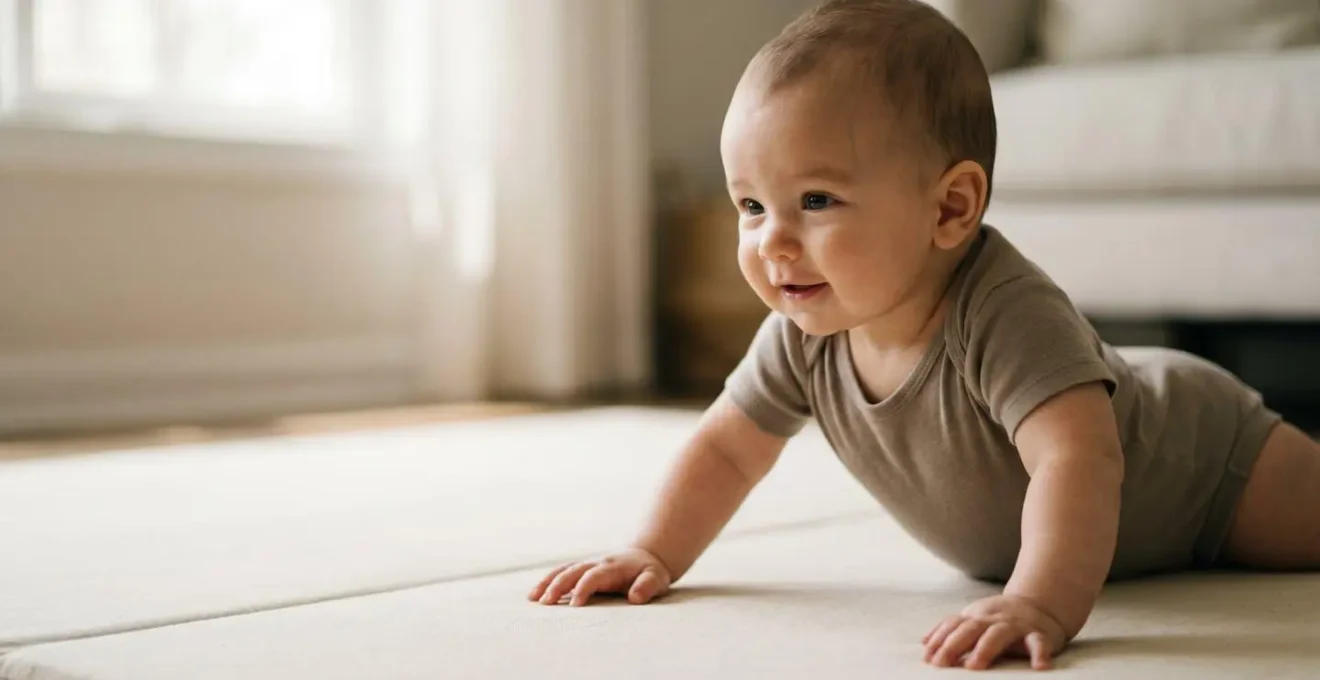
Understanding this fundamental shift is the first step in building your safe sleep ecosystem. You are not just removing a sleep aid; you are empowering your child with the physical freedom they need to stay safe as they explore their new motor skills. The transition period, typically lasting a few days to a week, requires consistency and a commitment to the new, safer sleep setup.
Why a Firm Mattress Prevention SIDS Better Than Breathing Monitors?
In the quest for parental peace of mind, it’s tempting to turn to high-tech solutions like breathing and heart rate monitors. These devices promise to alert you to danger, creating a technological safety net. However, this is a dangerous misconception. The foundation of the safe sleep ecosystem is not electronic surveillance, but a strikingly low-tech component: a firm, flat mattress in a bare crib. A firm surface prevents a baby’s head from sinking into the mattress if they roll face-down, which significantly reduces the risk of rebreathing carbon dioxide and suffocation.
Soft surfaces, including plush mattresses, pillows, or thick padding, can conform to the shape of a baby’s face, creating a small pocket of air. In this pocket, exhaled air (rich in carbon dioxide) can get trapped, and the baby ends up breathing in the same stale air instead of fresh oxygen. This is a primary mechanism behind many SIDS-related deaths. A firm mattress provides the resistance needed to keep the airway clear, even for a mobile infant.
This is why leading pediatric authorities emphasize physical environment over electronic monitoring. As the American Academy of Pediatrics clearly states, technology is not a substitute for fundamental safety measures.
Home cardiorespiratory monitors have not been found to reduce the risk of SIDS.
– American Academy of Pediatrics, AAP Safe Sleep Guidelines
While these monitors may seem reassuring, they can provide a false sense of security, leading parents to neglect the proven, evidence-based practices that actually save lives. The most important investment you can make in your baby’s sleep safety is not in an app or a sensor, but in a compliant crib mattress that fits snugly within the crib frame, covered only by a fitted sheet. This simple, non-negotiable element is the bedrock upon which the rest of the safe sleep ecosystem is built.
How to Dress Baby for Sleep Without Using Loose Blankets?
With swaddling and loose blankets off the table, the question becomes: how do you keep your baby warm and comfortable? The answer lies in the « layering science » of wearable blankets and appropriate sleepwear. This approach replaces the single, heavy layer of a swaddle with a more adaptable system based on two key factors: room temperature and the TOG (Thermal Overall Grade) rating of the sleepwear. TOG is a standardized measure of thermal insulance, indicating how much heat a fabric retains.
Instead of guessing, you can dress your baby with precision. The ideal room temperature for an infant is between 68-72°F (20-22°C). In this range, a long-sleeved onesie under a sleep sack with a TOG of around 1.0 is generally sufficient. For warmer rooms, a lighter 0.5 TOG sleep sack with just a diaper or short-sleeve onesie is appropriate. In cooler rooms, a 2.5 TOG sleep sack can be used over a layer of footie pajamas.
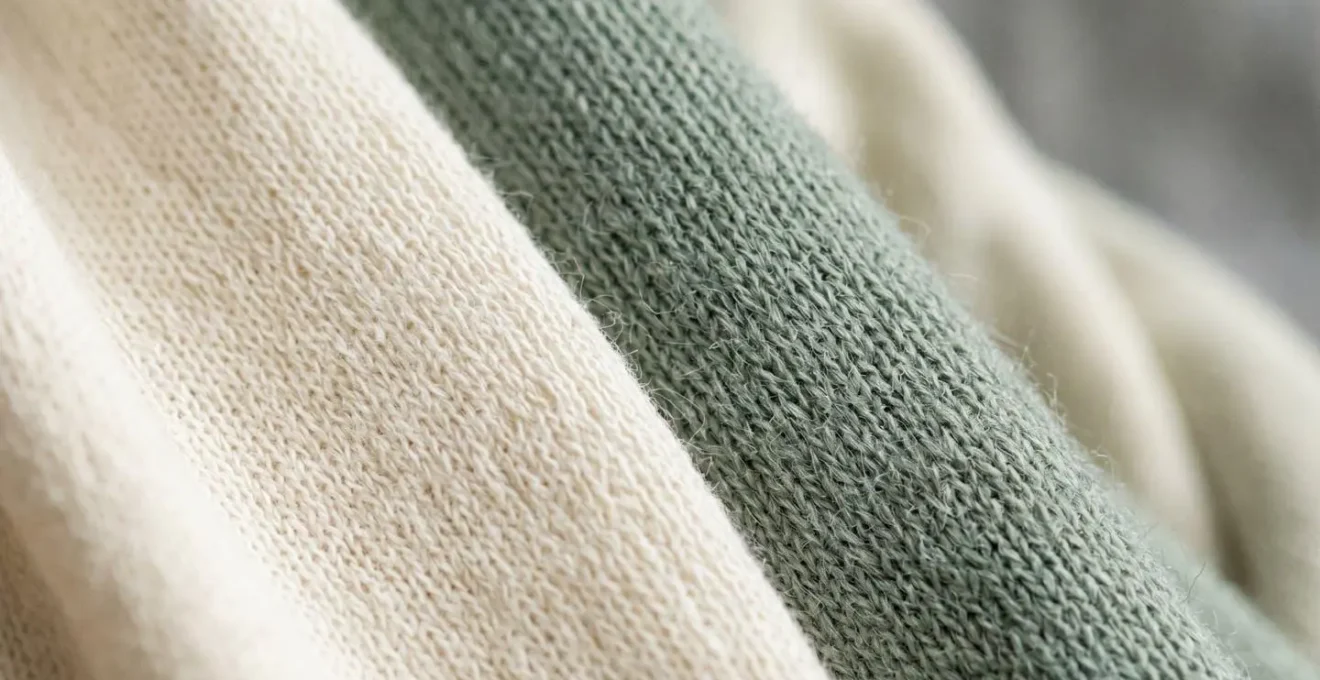
The key is to use breathable fabrics like cotton, bamboo, or merino wool, which help regulate body temperature and wick away moisture. Overheating is a significant risk factor for SIDS, so it’s crucial to avoid overdressing. A simple way to check if your baby is comfortable is to feel the back of their neck or their chest. It should feel warm, not sweaty or cold. Their hands and feet will often feel cooler to the touch due to their developing circulatory system, so they are not a reliable indicator of core body temperature.
Signs of overheating include a sweaty neck, flushed cheeks, rapid breathing, or damp hair. If you notice any of these, remove a layer immediately. By mastering the art of layering with TOG-rated sleep sacks, you replace the outdated and unsafe practice of using loose blankets with a modern, evidence-based system that ensures both safety and comfort for your newly mobile baby.
How to Layer Clothes for Sleep Based on Room Temperature?
Translating the « layering science » into practice requires a clear, at-a-glance guide. Parents often struggle to connect room temperature with the correct combination of clothing and sleep sack TOG ratings. Over-bundling out of fear the baby is cold is a common mistake that can lead to dangerous overheating. A structured approach removes the guesswork and empowers you to make safe decisions every night.
The core principle is to use multiple thin, breathable layers rather than one thick, heavy garment. This allows for better air circulation and makes it easier to adjust for small temperature fluctuations. For example, in a moderately cool room, it is safer to use a long-sleeve onesie under a 2.5 TOG sleep sack than to use a very thick fleece sleeper on its own. The base layer should always be made of a natural, breathable fabric like cotton to wick moisture away from the skin.
The following table, based on recommendations from sleep experts, provides a practical framework for dressing your baby for sleep. As noted in a comprehensive guide to sleep sacks, matching the TOG rating and base layers to the nursery’s temperature is a critical part of the safe sleep ecosystem.
| Room Temperature | TOG Rating | Base Layer | Sleep Sack | Signs to Watch |
|---|---|---|---|---|
| Above 75°F (24°C) | 0.5 TOG | Diaper only or short-sleeve lightweight onesie | Thin muslin or cotton sleep sack | Check for sweating on neck/back |
| 69-75°F (20-24°C) | 1.0-1.5 TOG | Short-sleeve cotton onesie | Standard cotton sleep sack | Ideal range – baby should feel warm but not sweaty |
| 65-68°F (18-20°C) | 2.5 TOG | Long-sleeve onesie or footie pajamas | Fleece or warmer sleep sack | Hands/feet may feel cool but core should be warm |
| Below 65°F (18°C) | 2.5 TOG + layer | Long-sleeve onesie PLUS footie pajamas | Warmest TOG sleep sack | Increase room temp if possible; multiple thin layers safer than one thick |
Remember, this is a guide, not a rigid rulebook. Always trust your instincts and check on your baby. Factors like drafts, humidity, and your baby’s own personal preference can influence their comfort. However, by using this chart as your starting point, you can confidently create a safe and comfortable sleep environment without resorting to dangerous loose blankets.
Zip-Up or Weighted: Which Sleep Sack Is Safe for Rolling Babies?
Once you’ve committed to a wearable blanket, the market presents a dizzying array of options. The most important distinction to make is between a standard, sleeveless sleep sack and a weighted one. A standard zip-up sleep sack is essentially a wearable blanket that allows for full freedom of movement for the arms and legs, which is critical for a rolling baby. Weighted sleep sacks, however, are marketed with the promise of calming a baby and improving sleep, but they introduce a serious and unnecessary hazard.
The American Academy of Pediatrics (AAP) is unequivocally clear on this issue. Any product that adds weight to or on a sleeping infant is not safe. The reasoning is twofold: first, the weight can restrict breathing and chest wall movement. Second, if a baby in a weighted product rolls onto their stomach, the added weight could make it even more difficult for them to roll back or lift their head.
The AAP does not recommend any weighted objects (e.g., weighted blankets/sleepers/swaddles) on or near a sleeping infant.
– American Academy of Pediatrics, 2022 AAP Safe Sleep Guidelines Update
This is not just a theoretical concern. Research has already highlighted the physiological impact of these products. For example, concerning research findings revealed that oxygen levels decreased and heart rates increased in babies sleeping under weighted sleep sacks. These are red flags indicating respiratory distress. The « calming » effect parents may observe could actually be a sign of lethargy due to a reduced ability to breathe efficiently.
The choice is therefore simple and non-negotiable from a safety perspective. For a rolling baby, the only safe option is a standard, non-weighted, sleeveless sleep sack. It provides the warmth of a blanket without the risks, ensuring your baby’s arms are free to push up and reposition themselves. Choosing a product marketed for « better sleep » at the expense of established safety guidelines is a risk no parent should ever take. The « containment myth »—the idea that a baby needs pressure to sleep well—must be abandoned in favor of the science of safe mobility.
The Aesthetic Mistake That poses a Strangulation Risk
As your baby becomes mobile, the safe sleep ecosystem must expand beyond the four corners of the crib. Many well-intentioned parents, focused on creating a beautiful nursery, inadvertently introduce deadly strangulation hazards. The most common and dangerous of these are the cords from window blinds and shades. A dangling cord is an irresistible lure for a curious baby who can now pull themselves up in their crib.
The statistics on this are chilling and leave no room for complacency. These are not freak accidents; they are a recurring and preventable tragedy. Shocking data from the U.S. Consumer Product Safety Commission (CPSC) shows that about 9 children under five die every year from window covering cord strangulation. What’s more, 48% of all reported incidents involving these cords result in death. It takes only a few seconds for a child to become entangled.
Aesthetic preferences for certain types of blinds or draperies must never take priority over this life-threatening risk. This hazard extends to other decorative items as well, such as baby monitor cords, string lights, and hanging mobiles placed within reach. Any item with a loop or a long cord poses a potential threat. The only foolproof solution for window coverings is to go completely cordless. Cutting the cord is not just a clever phrase; it’s a literal, life-saving action.
To systematically eliminate these hidden dangers, a thorough audit of the nursery is essential. This is not a one-time task but a continuous process as your child’s reach and mobility grow.
Your Action Plan: Nursery Strangulation Prevention Audit
- Go Cordless: Replace all corded window coverings with cordless blinds or shades. This is the single most effective prevention measure and should be considered non-negotiable.
- Secure or Remove Decor: Eliminate items like canopies, fairy lights, and hanging mobiles if they are within your baby’s reach from the crib. Ensure all wall art and shelving are securely anchored.
- Reposition the Crib: Move the crib at least 3 feet away from any window. Position it against a solid interior wall to completely eliminate access to window covering cords.
- Inspect for Hidden Cords: Check for and secure all types of cords, including inner pull-cords on blinds that raise the slats and continuous loop cords on draperies.
- Manage All Other Cords: Securely fasten baby monitor cords to the wall, well away from the crib. Remove any decorative string lights and ensure all electrical cords are tucked behind furniture or placed in cord concealers.
Treating every cord as a potential hazard and removing it from your child’s environment is a critical expansion of the safe sleep ecosystem, protecting them from a silent and preventable danger.
When to Move Baby to the Crib: The Height Limit You Must Watch?
Just as rolling over marks the end of swaddling, the ability to pull to a stand signals another critical safety adjustment: lowering the crib mattress. A baby’s mobility develops at an astonishing pace. One day they are sitting, and seemingly the next, they are using the crib rails to pull themselves up. If the mattress is too high, the crib rail becomes a fulcrum for them to tumble out, leading to serious injury.
Most cribs come with two or three mattress height settings. While there are general age guidelines, the most important indicators are your baby’s specific developmental milestones. You must always act proactively, lowering the mattress *before* they have fully mastered a new skill. As soon as you see your baby pushing up onto their hands and knees, it’s time to move the mattress from the highest newborn position to the middle setting. Once they can sit up independently, you should be prepared to lower it again.
The final move to the lowest position is non-negotiable and must happen before they can pull to a stand. A simple but effective guideline is the « nipple-to-rail rule. » When your baby is standing in the crib, if the top of the side rail is at or below their nipple line, they have enough leverage to potentially hoist themselves over. The mattress must be lowered immediately.
This timeline, based on guidance from the CDC and other safety experts, provides a clear path for adjusting the crib environment as your baby grows:
- Stage 1 (Newborn to ~4 months): The highest mattress position is safe as long as the baby cannot push up or roll. This setting makes it easier for parents to lift the baby in and out.
- Stage 2 (~4-6 months): Lower the mattress to the middle position as soon as your baby can push up on their hands and knees or sit up unassisted.
- Stage 3 (~6-10 months): Move the mattress to its lowest possible position. This must be done before your baby shows signs of pulling to a stand. Use the nipple-to-rail rule as your final check.
- Transition to Toddler Bed: The move out of the crib is typically prompted by behavior (repeatedly trying to climb out) rather than a strict height limit, but it often happens when a child reaches about 35 inches in height.
Anticipating these mobility milestones and adjusting the crib accordingly is a fundamental part of maintaining the safe sleep ecosystem. It ensures the crib remains a secure space for sleep, not a launchpad for dangerous falls.
Key Takeaways
- End Swaddling at First Roll: Swaddling is unsafe once a baby shows any sign of rolling. Their arms must be free to push up. This is a non-negotiable rule.
- Build a Safe Sleep Ecosystem: Safety isn’t one item but a system: a firm mattress, a sleeveless sleep sack, a bare crib, and a hazard-free surrounding area.
- Prioritize Low-Tech Safety: A firm mattress and cordless blinds are more effective at preventing SIDS and injury than any high-tech breathing monitor.
Baby-Proofing Checklist: The 5 Hidden Hazards in Your Living Room You Missed?
Once your baby is mobile, the principles of the safe sleep ecosystem—anticipating risk and creating a hazard-free environment—must extend to every room they occupy. The living room, a hub of family activity, is often filled with hidden dangers that are invisible from an adult’s height. To truly baby-proof this space, you must adopt a new perspective: the « crawling-eye view. »
Getting down on your hands and knees will reveal a world of potential hazards you would otherwise miss. Small objects like coins, buttons, or dropped pet kibble become serious choking risks. Dangling electrical cords are a temptation for pulling and chewing. Unsecured furniture can topple over with surprising ease. As highlighted by national safety data showing approximately 3,600 sudden unexpected infant deaths occur annually in the US, with a significant portion caused by accidental suffocation and strangulation, these environmental risks are not to be taken lightly.
A systematic audit is the only way to ensure the living room is a safe space for exploration. The following five-point checklist covers the most commonly overlooked dangers that become apparent only when you see the world from your baby’s level.
- Hazard 1 – Furniture Tip-Overs: Tall or heavy furniture like bookcases, dressers, and TVs are major tip-over risks once a baby can pull to stand. Securing every one of these items to the wall with anti-tip straps or anchors is a life-saving, non-negotiable task.
- Hazard 2 – Window Covering Cords: The same strangulation risk from the nursery exists in the living room. All corded blinds must be replaced with cordless versions or have their cords cut and secured high out of reach.
- Hazard 3 – Electrical and Charging Cords: A dangling phone charger or a power strip on the floor is a serious hazard. Use cord management boxes to contain power strips and ensure all cables are secured behind furniture, completely out of reach.
- Hazard 4 – Toxic Houseplants and Pet Food: Many common houseplants (like pothos and philodendrons) are toxic if ingested. Move them to inaccessible locations. Similarly, pet food bowls pose choking and bacteria risks and should be elevated.
- Hazard 5 – Small Objects on the Floor: A crawling-eye audit will reveal a surprising number of choking hazards. Anything that can fit through a toilet paper roll tube is a danger. Routinely scan and clear the floor of coins, paper clips, rubber bands, and small toy parts.
By applying the same rigorous safety standards from the nursery to the living room, you create a consistent and secure environment that supports your child’s safe exploration and development. This holistic approach to safety is the ultimate expression of a well-executed protection plan.
Now that you have the complete safety blueprint, your next step is to methodically audit your home. Start today by implementing these non-negotiable safety measures to create a truly secure environment for your child to sleep, play, and thrive.